Stocks rise and oil dips on hopes of 15-point Iran peace plan
By The Guardian, March 25, 2026The price of oil has dipped, and Asian stock markets moved higher after reports that Donald Trump has sent a 15-point framework for peace to Iran, amid hopes of a ceasefire in the Middle East.
Oil prices had fallen by 4 per cent in the early hours of Wednesday, with Brent crude futures sinking below Ksh12,900 a barrel and even moving as low as Ksh2,500 as trading was influenced by the prospect of an end to the conflict easing the squeeze on oil supply.
Stock markets in Asia also moved higher in morning trading. Japan’s Nikkei rose by 2.9 per cent, while the S&P BSE Sensex in India was almost 2 per cent higher and Hong Kong’s Hang Seng was just under 1 per cent up.
European markets also rose in early trading. The FTSE 100 in London was up by almost 1 per cent, while Germany’s Dax was trading 1.8 per cent higher and France’s Cac 40 climbed by 1.5 per cent.
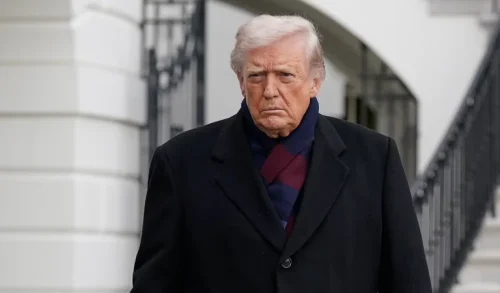
However, oil prices later started to climb again amid mixed signals about the status of negotiations between the US and Iran, after Tehran denied that any talks had taken place since the start of the bombing campaign.
Iranian Parliament Speaker Mohammad Bagher Ghalibaf said in a social media post on Monday that “no negotiations have been held with the US”.
“Fakenews [sic] is used to manipulate the financial and oil markets and escape the quagmire in which the US and Israel are trapped,” Ghalibaf wrote on X.
That echoed earlier remarks from Iranian Foreign Ministry spokesman Esmaeil Baghaei, who also denied that any discussions with the US had taken place.
In comments shared by Iran’s official IRNA news agency, Baghaei said that “messages have been received from some friendly countries regarding the US’s request for negotiations to end the war”.
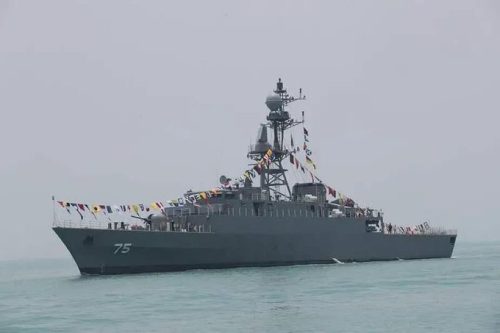
Iran’s effective closure of the Strait of Hormuz, located at its southern border, has all but halted global shipments of oil and gas through the key shipping channel, sparking what the International Energy Agency has called the largest ever disruption to oil supply.
More than 30 countries, including the United Arab Emirates, the UK, France, Germany, Canada and Australia, have signed a joint statement agreeing to work on “appropriate efforts” to safeguard the waterway.
Volatility in global markets since the outbreak of conflict in the Middle East has also affected the gold price, traditionally seen as a haven asset during troubled times.
The precious metal has had a historic run in recent months, even moving above Ksh650,000 an ounce for the first time in January, as investors flocked to the asset in response to geopolitical tensions.
Despite holding steady during the first days of the Iran conflict, gold has since fallen by about 13 per cent to about Ksh575,000 since the US and Israel began their bombing campaign, calling into question the metal’s traditional role as a financial safety net.