Ruto urges Kenyans to buy into KPC, Safaricom IPO amid criticism
By Faith Lagat, January 23, 2026President William Ruto has strongly defended the government’s plan to float an Initial Public Offering (IPO) for the Kenya Pipeline Company (KPC) and divest part of its stake in Safaricom, dismissing critics as engaging in “political conmanship and intellectual deceit.”
Speaking on Friday, January 23, 2026, during an engagement with graduate interns recruited under the Affordable Housing Programme at State House, Nairobi, the President said the planned IPOs are a practical and transparent way of raising resources while giving ordinary Kenyans a chance to own strategic public assets.
Defending the privatisation strategy, Ruto said there had been an earlier consensus that divestment was necessary to unlock funding for national development.
“The other day, we all agreed that divesting, privatisation is a prudent way of raising resources,” he said.
Democratising ownership
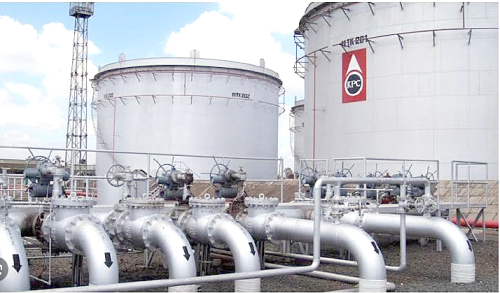
Ruto explained that the Kenya Pipeline IPO is designed to widen public participation and allow small-scale investors to buy into a key national asset. Addressing the interns directly, he encouraged young professionals and the wider public to take advantage of the opportunity.
“Today, you as an intern, you can buy shares in Kenya Pipeline and I want to ask you, I want to ask every Kenyan, with only 900 shillings, you can buy 100 shares of Kenya Pipeline and you can continue and buy more and buy more and buy more. Let us all own a piece of the good that we have built together,” he said.
The President expressed frustration at critics who are now opposing the same approach they had previously supported.
“But you’ll hear some people saying, why are you doing this? This is wrong. The same people who told us, who agreed with us, let’s do it,” he noted.
Capital markets, not politics
On the planned Safaricom divestiture, Ruto dismissed calls for special committees to determine share pricing, insisting that valuation of public companies is a market-driven process.
“We’re saying, we’re divesting a portion of Safaricom to raise money. They tell us, oh, who negotiated? Where is the committee that negotiated for the price of the shares? Really, any public listed company, the tested, proven, transparent valuation is done by the capital markets. It’s done at the exchange. It’s not done in boardrooms or by committees,” he said.
He warned critics to stop politicising the process.
“So, I want to tell those people who are giving us lectures about what we are doing with the IPO on Kenya Pipeline or Safaricom, they should spare us their political conmanship and intellectual deceit. We don’t need it. We want to move the country forward,” Ruto added.
Funding development agenda
The President said the two transactions are expected to raise significant capital within a month. He projected Ksh110 billion from the Kenya Pipeline IPO and about Ksh240 billion from the Safaricom divestiture.
“That is 350 billion Kenyan shillings. With 350 billion, we are going to leverage and we will have between three and a half and four trillion shillings to be able to run all our projects,” he said.
National Treasury Cabinet Secretary John Mbadi echoed the President’s position a day earlier, saying the KPC IPO would deepen capital markets, broaden investment options and support infrastructure development through the National Infrastructure Fund.