Advertisement
Oil steady as traders brace for US-Iran nuclear talks
Monday 16th February, 2026 11:03 AM|

Oil traded little changed on Monday, February 16, 2026, with investors weighing the market implications of upcoming U.S.-Iran talks aimed at de-escalating tensions against a backdrop of expected OPEC+ supply increases.
Brent crude futures edged up 3 cents to Ksh10,506 a barrel.
U.S. West Texas Intermediate crude was at Ksh9,940 per barrel, up 2 cents. There will be no WTI settlement on Monday due to a U.S. holiday.
Last week, both benchmarks posted weekly declines with Brent settling down about 0.5 per cent and WTI losing 1 per cent after comments from U.S. President Donald Trump that Washington could make a deal with Tehran over the next month drove down prices on Thursday.
With U.S.-Iran tensions pushing up oil prices, the Organisation of the Petroleum Exporting Countries and allies – together called OPEC+ – are leaning toward resuming output increases from April following a three-month halt, to meet peak summer demand, Reuters reported.
“We want to set the Venezuelan people and the economy free.”

Meanwhile, Iran is pursuing a nuclear agreement with the U.S. that delivers economic benefits for both sides, an Iranian diplomat was reported as saying on Sunday, days before a second round of talks between Tehran and Washington.
You Might Also Like
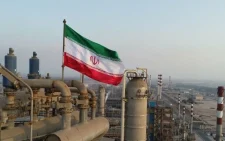
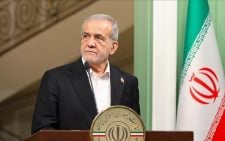

The U.S. has dispatched a second aircraft carrier to the region and is preparing for the possibility of a sustained military campaign if the talks do not succeed, U.S. officials have told Reuters.
U.S. Secretary of State Marco Rubio, speaking at a news conference in Bratislava, said President Donald Trump had made it clear that he would prefer diplomacy and a negotiated settlement, while making clear that may not happen.
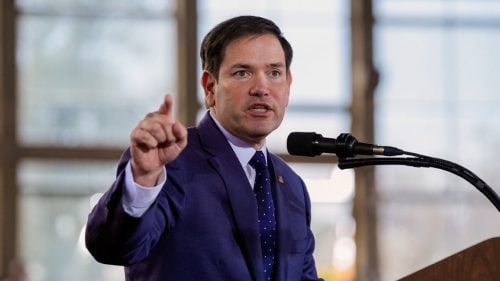
“No one’s ever been able to do a successful deal with Iran but we’re going to try,” Rubio said.
Iran has threatened to strike U.S. bases in the Middle East if it is attacked by U.S. forces but on Sunday took a conciliatory line.
“For the sake of an agreement’s durability, it is essential that the U.S. also benefits in areas with high and quick economic returns,” foreign ministry deputy director for economic diplomacy Hamid Ghanbari said, according to the semi-official Fars news agency.
“Common interests in the oil and gas fields, joint fields, mining investments, and even aircraft purchases are included in the negotiations,” Ghanbari said, arguing that the 2015 nuclear pact with world powers had not secured U.S. economic interests.
In 2018, Trump withdrew the U.S. from the pact that had eased sanctions on Iran in exchange for curbs on its nuclear programme, and re-applied tough economic sanctions on Tehran.
Author
Latest News





Advertisement
More on Business