Ndindi Nyoro warns of potential fuel price increase ahead of EPRA review
By Aloys Michael, March 13, 2026Kiharu Member of Parliament (MP) Ndindi Nyoro has raised alarm over a potential increase in fuel prices, claiming insiders linked to the government are pushing for a slight hike.
Speaking on Friday, March 13, 2026, Nyoro warned that the process to adjust fuel costs is already underway, with key meetings reportedly taking place to finalise the proposed changes.
“I know these people, and I have worked with them. I have reliable information that there are plans with meetings underway so that EPRA can adjust prices upwards and blame the situation on Iran,” Ndindi Nyoro claimed.

“All the fuel in Kenya was imported before there was instability in Iran. That means the landing cost of the fuel already in the country was lower. Don’t confuse Kenyans by trying to raise fuel prices unnecessarily.”
The MP has also cautioned Kenyans to remain vigilant, arguing that the proposed adjustments were unjustified since all fuel currently in the country had been imported before the recent geopolitical tensions in the Middle East.
He stressed that despite the planned price adjustments, the existing fuel stocks were purchased at lower costs, meaning there was no valid reason to raise prices for consumers.
Fuel crisis
The warnings come amid concerns of a looming fuel crisis following disruptions at the Strait of Hormuz, a key global shipping route that has been affected by ongoing tensions in Iran.
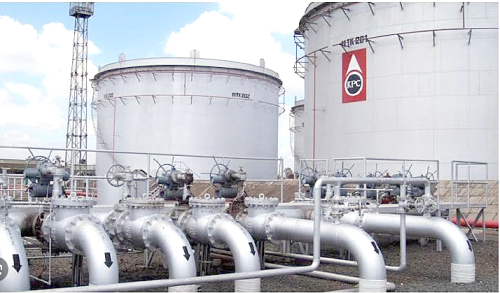
EPRA is set to announce new fuel prices on Saturday, March 14, 2026. In its last review, Super Petrol prices were reduced by Ksh4.24, Diesel by Ksh3.93, and Kerosene by Ksh1.00, bringing retail prices to Ksh178.28 for petrol, Ksh166.54 for diesel, and Ksh152.78 for kerosene.
Days after the government assured Kenyans of having adequate petroleum stocks, it called for an emergency meeting with the oil marketers amid concerns over fuel shortage.
The Cabinet Secretary for Energy and Petroleum, Opiyo Wandayi, had intimated that despite escalating tensions in the Middle East, which have raised concerns about global oil supply disruptions, the supply would sustain Kenya for some time.
However, the CS appeared to take a new turn hours after holding talks with companies supplying oil to the country under the G-2-G agreement.

Speaking on Tuesday, March 10, 2026, while responding to a question during the official listing of the Kenya Pipeline on the Nairobi Stock Exchange (NSE), Wandayi said he will hold the meeting while dispelling concerns of fuel shortage.
“We continue to engage very closely with our government-to-government suppliers, that is, Saudi Aramco, ADNOC and ENOC in terms of contingency planning,” Wandayi said.
“For that reason, there is really no cause for alarm. In the short to medium term, we have security of supply, and we continue to monitor the situation very closely.”
He further revealed that the government is in talks with the oil-producing nations with which the government has a G-2-G deal, such as Saudi Arabia’s ARAMCO, in a bid to ensure that the oil in the country is sufficient for the longest time possible based on contingency planning, and thus there should be no reason for alarm.
The emergency interventions come as threats to close the Strait of Hormuz intensify. The waterway is crucial, transporting roughly 21 per cent of the world’s oil supply, including shipments from Saudi Arabia and the United Arab Emirates.