MPs raise alarm over Ksh100K deposit insurance limit in proposed SACCO law
By Mustafa Juma, July 1, 2026Members of the National Assembly’s Departmental Committee on Trade, Industry and Cooperatives have raised concerns over a proposal to cap deposit insurance compensation at Ksh100,000 per depositor under the proposed Sacco Societies (Amendment) Bill, 2025, warning that the limit could leave thousands of Kenyans vulnerable if a SACCO collapses.
The legislators made the remarks on Tuesday, June 30, 2026, during a meeting with officials from the Sacco Societies Regulatory Authority (SASRA), where they scrutinised the proposed legislation aimed at strengthening regulation of Savings and Credit Cooperative Societies (SACCOs) and enhancing protection of members’ savings.
The committee, chaired by Ikolomani MP Bernard Shinali, acknowledged the need for stronger oversight of the cooperative sector but cautioned that the reforms should strike a balance between safeguarding depositors and avoiding excessive bureaucracy that could burden SACCO operations.
A key concern raised by lawmakers was the proposed deposit insurance framework, which would compensate members up to a maximum of Ksh100,000 should a regulated SACCO fail.
MPs argued that the proposed ceiling would leave many members with significantly larger savings exposed to substantial financial losses, urging SASRA to explore a more equitable compensation model that reflects the amount members have invested.
The legislators noted that SACCOs remain the primary source of affordable credit for millions of Kenyans, particularly salaried workers, small-scale traders and farmers, because of their accessible lending processes and lower borrowing costs compared to commercial banks.
They warned that any legislation affecting the sector must preserve public confidence while ensuring members’ deposits receive adequate protection.
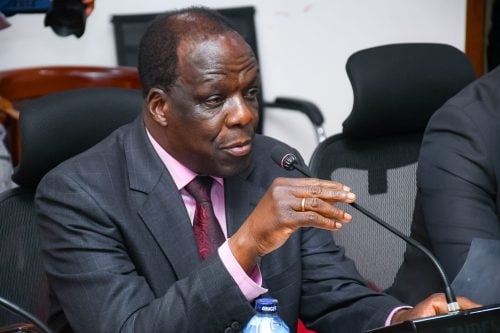
The Cabinet Secretary for Cooperatives and Small and Medium Enterprises (SMEs), Wycliffe Oparanya, had in March 2026 emphasised the critical role the regulator plays in ensuring the protection of ordinary Kenyans’ savings.
Calls for flexible regulation
Committee members also urged SASRA to ensure the proposed law remains responsive to the changing needs of Kenya’s cooperative movement.
Rather than embedding every operational reform in legislation, lawmakers recommended that the regulator address administrative issues through regulations where appropriate, allowing greater flexibility to adapt to emerging challenges without requiring frequent amendments to the law.
The MPs further encouraged the regulator to develop a legal framework capable of supporting innovation and technological advancement within the SACCO sector.
SASRA defends proposed reforms
Appearing before the committee, SASRA Chief Executive Officer David Sandagi defended the proposed amendments, saying they are designed to strengthen public confidence in SACCOs by introducing a deposit insurance fund that would guarantee members’ savings in the event of the collapse of a regulated institution.
Sandagi said the proposed reforms would also enhance prudential supervision and improve the long-term sustainability of SACCOs, particularly smaller institutions that often struggle with limited financial and technological resources.
He explained that although SASRA has invested heavily in modern supervisory technology, many smaller SACCOs have been unable to adopt similar systems because of financial and technical constraints.
According to Sandagi, the proposed law would enable such institutions to access shared regulatory technology platforms, reducing compliance costs while improving efficiency in supervision and reporting.
Technology at the centre of reforms
Beyond strengthening financial oversight, the Bill also proposes greater adoption of shared digital platforms across the cooperative sector.
The regulator believes shared technology infrastructure would allow smaller SACCOs to benefit from economies of scale, improve service delivery and enhance compliance with prudential standards without incurring prohibitive operational costs.
Bill heads for further scrutiny
The Sacco Societies (Amendment) Bill, 2025, is expected to undergo further scrutiny by Parliament before lawmakers make recommendations on its final form.
As deliberations continue, legislators have signalled that they will push for amendments to ensure the proposed law not only strengthens regulation of the sector but also provides meaningful protection for millions of Kenyans who rely on SACCOs to save, borrow and invest.
The outcome of the parliamentary review could shape the future of Kenya’s cooperative movement, one of the country’s largest financial sectors, by determining how members’ deposits are protected while maintaining the accessibility and affordability that have made SACCOs a cornerstone of financial inclusion.