List of basic goods and services whose prices increased in February
By Aloys Michael, February 27, 2026Kenyans continue to spend more on food and other commodities even as inflation rates drop in February 2026.
The changes in prices of consumer goods have led to a reduction in people’s purchasing power, as taxes continue to drain Kenyans’ pockets.
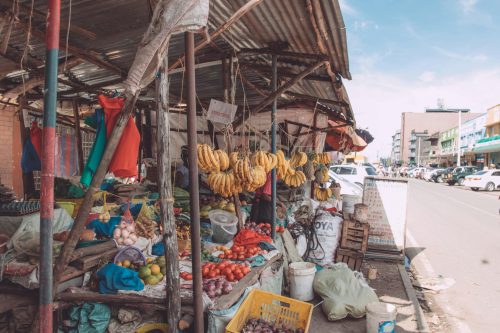
Between January and February 2026, the price of Sukuma wiki rose by 2.4 per cent, while that of cabbage and potatoes each increased by 4.0 per cent.
In the hospitality sector, hotel and restaurant meal prices rose by 0.8 per cent, while guest house accommodation charges increased by 0.6 per cent.
“Education services edged upward as well, with certificate course fees rising slightly by 0.1 per cent, contributing to a 3 per cent annual increase in the education index,” the report read.
Similarly, lodging and guest expenses increased by 0.6 per cent, while food sold by vendors went up by 0.8 per cent, with the sector recording an overall 2.7 per cent rise.
Health-related costs also went up, with hospital services rising and medicines such as dewormers and drugs for blood pressure becoming more expensive.
At the same time, personal care items showed mixed movements. Hairdressing services increased by 0.1 per cent, while toilet paper and tissue products recorded a notable rise of 1.4 per cent.
In clothing, prices of men’s shirts rose by 4.1 per cent, while men’s coats increased by 2.7 per cent as tailoring and clothing repair services became more expensive.
“Insurance and financial services were not spared, with medical and vehicle insurance premiums each rising by 0.2 per cent in February, contributing to a 0.7 per cent year-on-year increase,” KNBS said.
While some of the essential items saw a rise in prices, others recorded declines, with the transport sector among the sectors that experienced price drops.
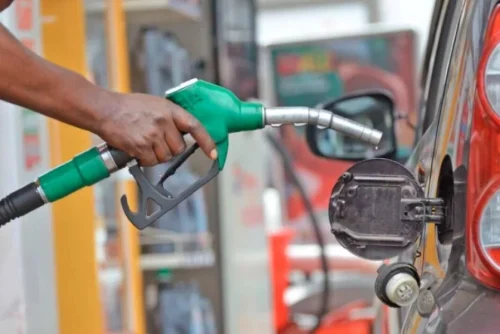
During the period under review, the prices of diesel and petrol declined by 2.3 per cent each over the month, while bus and matatu fares between towns fell by 1.4 per cent.