Kenya, African states risk debt crisis chasing irrigation to avert food crisis – report
By Aloys Michael, March 21, 2026Kenya and other African states are plunging into costly irrigation projects to avert worsening food shortages, but a new global report warns the strategy could trigger a parallel debt crisis if investments fail to deliver rapid results.
As droughts intensify across East Africa and crop failures push food prices higher, governments are borrowing heavily to finance dams, canals and large-scale farming schemes designed to end dependence on unpredictable rainfall. The ambition is to secure food supplies for fast-growing populations. The danger, experts say, is that countries could accumulate unsustainable debt while hunger persists.
The study, Nourish and Flourish: Water Solutions to Feed 10 Billion People on a Livable Planet, released on Friday, March 20, 2026, concludes that current agricultural systems can sustainably feed only about 3.4 billion people, far below the nearly 10 billion projected by 2050. Without major irrigation expansion, particularly in Africa, global food insecurity could deepen dramatically.
“Irrigation expansion is essential to meet future food demand,” the report states, emphasising that rain-fed agriculture alone cannot keep pace with climate change and population growth.
Kenya’s high-risk food security gamble
Kenya has become a test case for the continent’s irrigation push. The multi-billion-shilling Galana-Kulalu Food Security Project was designed to transform arid land into a major grain producer.
Years after its launch, however, the project has faced delays, cost overruns and questions about its ability to deliver affordable food at scale.
The World Bank report warns that such mega-projects often require continuous funding for maintenance, energy and technical support, costs that can strain public finances long after construction ends. If harvest gains fall short, governments may still be left servicing large loans.
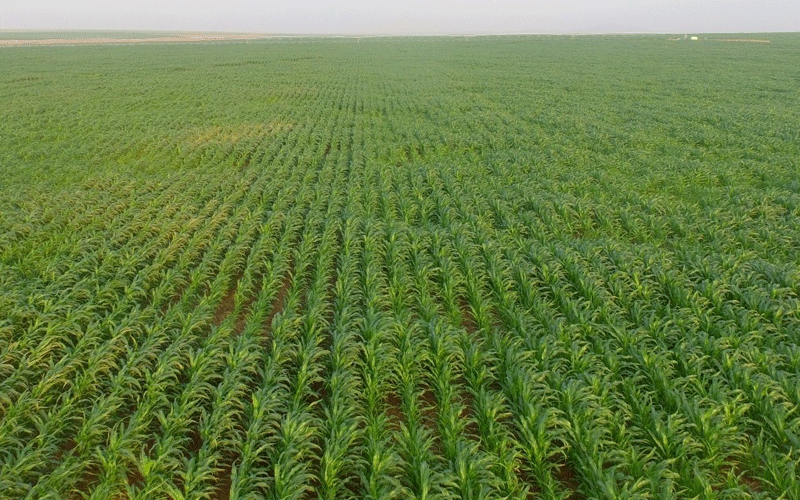
Similar initiatives are underway across African states from Ethiopia to Tanzania, many financed through external borrowing. With debt levels already rising in several countries, analysts fear irrigation spending could crowd out other essential services.
The report also highlights irrigation’s enormous economic potential. Converting rain-fed farms to irrigated agriculture could generate 245 million jobs globally, including about 218 million in Sub-Saharan Africa. Each newly irrigated hectare could create roughly four jobs, offering a powerful tool against widespread youth unemployment.
Yet job creation depends on successful implementation. Where projects stall or benefit large commercial farms rather than smallholders, rural poverty and food insecurity may persist.
The World Bank warn that irrigation infrastructure can concentrate water access among politically connected investors, leaving vulnerable communities marginalised despite public spending.
Import bills still rising
Despite massive investments, many African states continue to import large quantities of staple foods. Drought-driven shortages have forced governments to purchase grain on global markets at high prices, draining foreign currency reserves even as they repay loans for domestic food projects.
This creates what analysts describe as a double burden: paying for irrigation infrastructure while still financing emergency food imports when rains fail, or projects underperform.
The report cautions that poorly managed irrigation can degrade ecosystems that agriculture depends on. Over-extraction of rivers and groundwater may reduce long-term water availability, threatening both farming and drinking supplies.
In water-stressed regions of East Africa, such impacts could intensify competition between farmers, pastoralists and urban populations, raising the risk of conflict.
Climate pressure leaves few alternatives
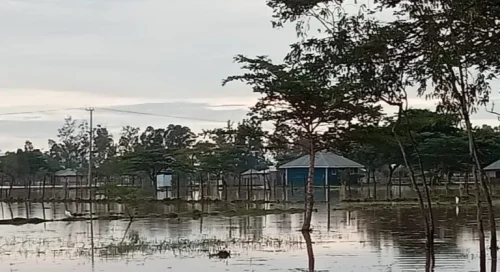
Climate change is making rainfall more erratic, turning once-reliable farming seasons into unpredictable cycles of drought and floods. Without irrigation, millions of farmers remain exposed to weather shocks that can wipe out entire harvests.
For policymakers, the choice is stark: invest heavily in water infrastructure or face escalating food crises.
But the report suggests that large centralised schemes are not the only path. Smaller, decentralised solutions such as solar-powered pumps, drip irrigation and rainwater harvesting may deliver faster benefits with lower financial risk.
Furthermore, the experts say feeding the future population will depend on how wisely water resources are managed.
For Kenya and many African states, irrigation could either unlock food security and rural prosperity or deepen fiscal distress while failing to stop hunger.
As climate change intensifies and populations surge, the window for getting that balance right is rapidly closing.
The continent’s push to irrigate its way out of famine may prove decisive, not only for food supplies but for economic stability itself.