IMF, World Bank, and IEA join forces to tackle global fuel supply disruptions
By Aloys Michael, April 2, 2026In a bold move to combat skyrocketing fuel prices, the International Monetary Fund (IMF), World Bank, and International Energy Agency (IEA) are joining forces to address the global energy crisis sparked by ongoing Middle East tensions.
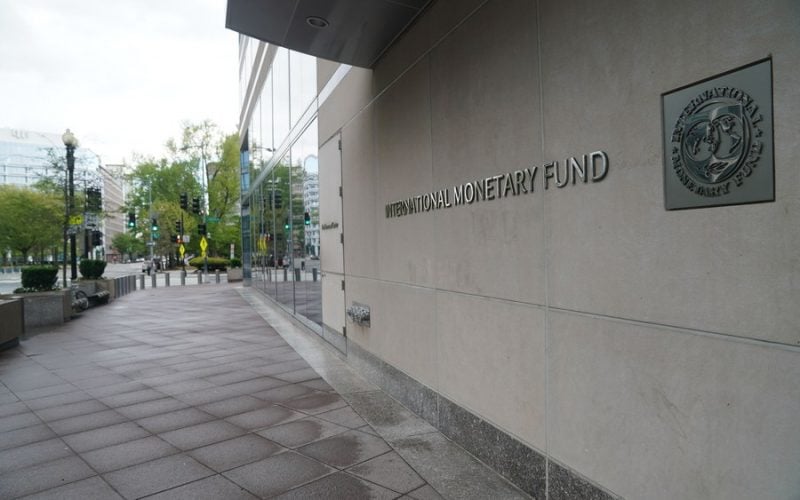
In a joint statement released on Thursday, April 2, 2026, the heads of these global bodies announced the formation of a joint coordination group to tackle the worsening global energy crisis.
“The Heads of the International Energy Agency, International Monetary Fund, and World Bank Group have agreed to form a coordination group to maximise their institutions’ response to the energy and economic impacts of the war in the Middle East,” said the statement in part.
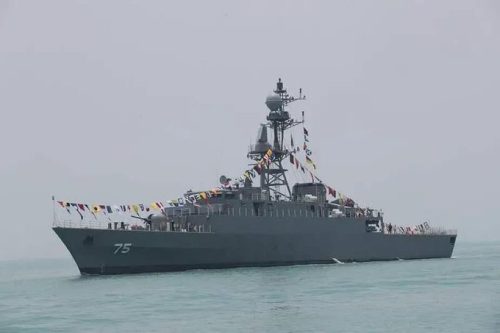
The crisis is driven by the ongoing war in the Middle East conflict, the war between Iran, the United States (US) and Israel, which has severely disrupted oil and gas supplies worldwide, pushing prices higher and squeezing economies across Africa, including Kenya’s.
The three bodies acknowledged that the impact is substantial, with different countries being affected asymmetrically, as the burden is not shared equally, with low-income countries being the hardest hit in the crisis.
“The impact is substantial, global, and highly asymmetric, disproportionately affecting energy importers, in particular low-income countries,” the group said.
The three organisations also indicate that the disruptions extend beyond fuel. Global supply chains for helium, phosphate, and aluminium are all being impacted, while flight interruptions at major Gulf hubs are weighing on tourism, an important revenue source for many African nations, including Kenya.
To address this, the coordination group has outlined a comprehensive strategy. It will monitor energy prices, trade movements, inflation patterns, and supply chain disturbances to gauge the severity of the impact on each country, enabling targeted support for those most affected.
Where assistance is critical, the group will offer policy guidance, evaluate financing shortfalls, and provide financial aid, including concessional loans and low-cost borrowing options tailored for vulnerable economies such as Kenya.
The plan also involves engaging regional and multilateral partners to ensure that aid reaches the affected countries efficiently, preventing individual governments from having to manage the crisis entirely on their own.
“It is paramount that our institutions join forces to monitor developments and coordinate support to policymakers to navigate this crisis,” they said.
Kenya has been severely affected by the Middle East conflict, with disruptions in shipping resulting in tea export losses surpassing Ksh3.1 billion.
These setbacks threaten to drive up inflation and fuel costs due to a weaker shilling and supply chain interruptions from the Gulf, intensifying public concern over the rising cost of living.