Govt proposes increase in kerosene prices over diesel adulteration fears
By Faith Lagat, May 18, 2026In a move aimed at protecting diesel-powered vehicles from widespread engine damage, the government has proposed increasing the price of kerosene as part of broader fuel price adjustments announced amid Kenya’s deepening fuel crisis.
Energy Cabinet Secretary Opiyo Wandayi revealed the proposal on Monday, May 18, 2026, saying the large price difference between diesel and subsidised kerosene had created room for fuel adulteration, where traders mix cheaper kerosene with diesel for profit.
The announcement came as Kenya experienced one of its most disruptive transport shutdowns in recent years, with matatu operators, truck drivers, boda boda riders and other transport stakeholders launching a nationwide strike over record-high fuel prices.
Major roads were blocked, businesses closed, schools suspended learning in some towns, and commuters were stranded for hours as protests spread across the country.
Why the government wants to increase kerosene prices
Speaking during a press briefing at Transcom House alongside transport stakeholders, Wandayi said the government was seeking to reduce the gap between kerosene and diesel prices to discourage fuel adulteration.
“For prudence purposes and to eliminate the risk of fuel adulteration on account of this huge disparity… we are going to bridge the gap between the prices of diesel and petrol. That would mean, therefore, that the price of kerosene and petrol would have to go higher as that of diesel comes lower,” Wandayi stated.

According to the government, the move is intended to protect thousands of diesel-powered vehicles that support Kenya’s transport and supply chain systems.
Diesel engines are commonly used in matatus, trucks, buses and commercial vehicles that move goods and passengers across the country.
Fuel adulteration has remained a persistent challenge whenever there is a significant difference between diesel and kerosene prices. Mixing the two fuels lowers operating costs for traders and some motorists, but it can damage engines, increase emissions and reduce fuel efficiency.
The Energy and Petroleum Regulatory Authority was involved in the consultations leading to the proposal, with Wandayi saying the discussions had been conducted jointly with transport stakeholders. Fresh fuel prices are expected to be published by the regulator in line with the law.
However, transport operators present during the briefing publicly disagreed with the government’s position, insisting no agreement had been reached.
One stakeholder stated: “We did not agree in anything… the strike is still on.”
Global pressures behind the fuel crisis
Kenya’s rising fuel prices have largely been linked to global supply disruptions and increasing international oil prices.
The country relies heavily on imported petroleum products from Gulf countries, making it vulnerable to geopolitical instability affecting global oil supply routes. The ongoing tensions linked to the US-Israel-Iran conflict, which began in late February 2026, disrupted shipping activities through the Strait of Hormuz, one of the world’s most important oil transit routes.
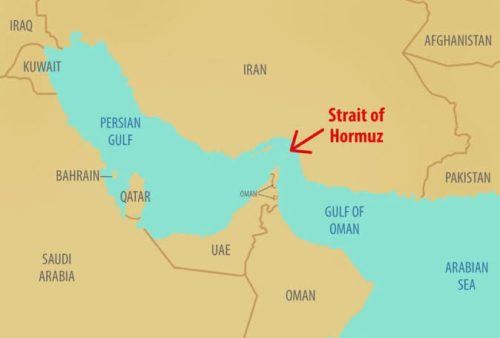
Although a ceasefire was later announced, international oil prices have remained elevated, pushing up import costs for countries such as Kenya.
Recent fuel reviews by EPRA saw diesel and petrol prices rise sharply, with some increases exceeding 20 per cent. Diesel prices in Nairobi climbed to historic levels, increasing pressure on transport operators and consumers already struggling with the high cost of living.
He noted that without government measures, pump prices could have reached nearly Ksh400 per litre.
Treasury Cabinet Secretary John Mbadi also described the situation as a global crisis affecting many countries beyond Kenya.
“Fuel is in this country. It’s only arriving at higher prices,” Mbadi said.
He cautioned against proposals to scrap taxes completely, saying such measures could affect government revenue collection and public spending.
Violent protests and growing pressure on government
Even as the government defended the proposed adjustments, protests intensified across the country following the nationwide transport strike called by the Transport Sector Alliance.
The strike officially began at midnight on May 18, with participation expected from matatu operators, cargo transporters, boda boda riders, ride-hailing drivers and private vehicle owners.
Demonstrators blocked roads using stones and burning tyres in several towns, including Kitengela, causing major transport disruptions. In some areas, businesses remained closed throughout the day while schools suspended operations after parents opted to keep children at home.
“It is very regrettable that there are politicians… who measure the success of opposition… by the number of innocent lives lost,” Murkomen said.
Police arrested 225 people in connection with the protests, describing the incidents as illegal riots that involved the destruction of property and attacks on officers. Authorities also confirmed that six police officers were injured during confrontations with protesters.
The Matatu Owners Association and other transport stakeholders are demanding the removal of fuel taxes, including the eight per cent VAT and the Ksh25 Road Maintenance Levy, arguing that the rising fuel costs are affecting every sector of the economy.
Meanwhile, the Law Society of Kenya threatened legal action against the government over the economic burden caused by the fuel hikes.