Advertisement
FDI drops as investor sell-offs pound bourse
Monday 13th June, 2022 02:53 AM|
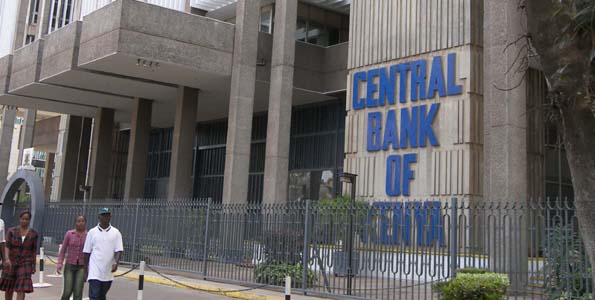
Despite a general recovery from the post pandemic world, selloff by foreign investors has persisted at the bourse amid revelations by a new United Nations survey that foreign direct investments (FDI) dropped last year.
The survey shows that FDI into Kenya dropped by Sh31 billion on recovery from Covid-19 pandemic as foreign investors continue to shed off their investments at the Nairobi Securities Exchange (NSE), raising economic concerns.
The latest World Investment Report 2022 by UN Conference on Trade and Development’s (UNCTAD) shows that Kenya managed investment flows worth Sh52.42 billion down from Sh83.89 billion the previous year. These figures are based on the conversion rate of Sh117 against the US dollar.
International foreign finance
The report says there was some growth in East Africa, driven by the demand for infrastructure by foreign countries. That most of the international project finance investments target critical infrastructure in roads, bridges and ports. “In Kenya, four bridge projects will bring connectivity with remote areas,” Unctad said in the report.
The report however reveals that FDI inflows dropped by close to 30 per cent in contrast to the trend in the region that depicted recovery from pandemic knocks, when investments were frozen. Experts which blame it on election fevers saying foreigners continue to she investments at the bourse.
At the Nairobi Securities Exchange (NSE), Kenya’s best performing stock Safaricom dived to sink below Sh30 a share for the first time since 2020, sending the entire NSE downwards as selloff by foreign investors persisted.
The Safaricom stock traded at Sh44 per share has sunk to Sh26.60 last week, signaling rising selling pressure from international investors. Foreign investors who control over 65 per cent of the trade on the NSE are selling their assets in developing markets due to concerns over global financial recession.
“Equities turnover at the NSE fell 19 percent in 2022 on decline in foreign investor appetite for shares. We expect this to persist. A hike in lending rates in developed markets has made their investments more attractive, coupled with the risk associated with the Kenya elections,” said AIB-AXYS Africa, an investment firm.
According to Kevin Ngige, an equities trading analyst at Genghis Capital, shares have been shading off some $46 million (Sh5.4 billion) daily since the start of the year.
“The market capitalisation in the NSE has fallen from $22 billion (Sh2.7 trillion) at the start of the year to around $15.5 billion (Sh1.6 trillion), Ngige told Business Hub last week. “This means investors have lost $46 million (Sh5.4 billion) every day since the start of the year,” Ngige said.
- Local ownership
The fevers may have started earlier as FDI inflows to Kenya fell to $717 million (Sh77.6 billion) in 2020 compared to $1.09 billion (Sh118 billion) in 2019. The drop in 2020 was attributed to new local ownership rules meant to protect local industries and firms, and a slowdown in mergers and acquisitions after outbreak of Covid-19.
“Kenya introduced local participation requirements in various industries, including insurance, telecommunication and ICT services,” UNCTAD had said.
Kenya continues to invest heavily in connectivity projects such as roads and bridges financed by foreign capital including the recently finished Nairobi Expressway. Other key projects include the Mombasa Gate Bridge – which will connect Mombasa Island with the South Coast – whose work is expected to start this year at a total cost of about Sh85 billion, largely funded by the Japan International Cooperation Agency.
Author
John Otini
View all posts by John OtiniLatest News








Advertisement
More on Business