Explainer: Why US fresh attack on Iran raises Kenya’s cost of living fears
By Aloys Michael, July 8, 2026Fresh United States (US) military strikes on Iran have reignited tensions in the Middle East, raising fears of higher fuel prices, more expensive food and a rising cost of living in Kenya as global oil markets react to the latest conflict.
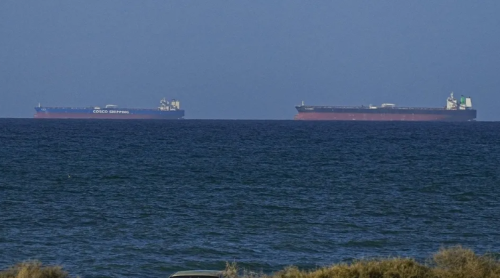
The US said it launched powerful strikes after three commercial vessels were attacked in the Strait of Hormuz, one of the world’s busiest oil shipping routes. The latest escalation has renewed concerns over the security of a waterway that carries about one-fifth of the world’s oil supply.
For Kenya, the question is simple: How will the US-Iran conflict affect Kenya? The answer lies in oil. Kenya imports nearly all its petroleum products, meaning any disruption to global oil supplies or a sharp rise in crude oil prices can quickly translate into higher fuel and transport costs at home.
Why the conflict matters to Kenya
The Strait of Hormuz is a narrow waterway linking the Persian Gulf to global markets. If ships face attacks, delays or additional transit charges, the cost of transporting oil rises, pushing up global crude prices.
Following the latest US strikes, oil prices climbed by more than two per cent to their highest levels in two weeks as traders worried that prolonged tensions could disrupt supplies from the Middle East, one of the world’s largest oil-producing regions.
Kenya buys most of its fuel from international markets because it produces very little crude oil locally. When global oil prices increase, importers pay more for petrol, diesel and kerosene before the products even reach Kenyan ports.
Local pump prices are also influenced by the exchange rate, taxes and the monthly review by the Energy and Petroleum Regulatory Authority (EPRA). This means the impact of higher global oil prices may not be immediate, but sustained increases often feed into future pump prices.
Higher fuel prices ripple through the economy because transport becomes more expensive for businesses and households. Since fuel is used to move goods and power industries, rising energy costs can also push up inflation across the wider economy.
Impact on Kenyan households
The effects go beyond petrol stations. Farmers rely on diesel-powered machinery, irrigation pumps and transport to move produce from farms to markets, while food processors depend on fuel and electricity to keep production running.
As transport and energy costs increase, businesses often pass the extra expenses to consumers. This could lead to higher prices for maize flour, vegetables, milk, bread, cooking oil and other essential household goods. Imported products may also become more expensive as shipping costs rise.

For many Kenyan families already grappling with high household expenses, another rise in fuel prices would increase pressure on monthly budgets. Public transport fares could rise, manufacturers may face higher production costs, and businesses could increase prices to protect their profit margins.
Much will depend on whether tensions between the United States and Iran ease or worsen in the coming days. If diplomatic efforts fail and attacks continue in the Strait of Hormuz, global oil prices could remain elevated, increasing the likelihood of higher fuel prices in Kenya.
However, if tensions ease and shipping returns to normal, energy markets could stabilise, reducing pressure on consumers.
For now, the renewed conflict highlights how events thousands of kilometres away can directly affect Kenyan households. If disruptions to global oil supplies persist, the country is likely to face higher fuel costs, rising food prices and renewed pressure on the cost of living.