EPRA reveals strategy to lower electricity costs amid fuel price uproar
By Aloys Michael, April 22, 2026Amid rising public concern over fuel price increases and their knock-on effect on electricity tariffs, the Energy and Petroleum Regulatory Authority (EPRA) has outlined a regional strategy aimed at lowering power costs and strengthening energy security across Africa.
Speaking during the 7th Annual EPRA Research and Innovation Conference 2026 in Nairobi on April 21, 2026, Acting Director General Joseph Oketch said current pressures on energy systems should be used to deepen cooperation among countries and sectors.
“The challenges we are facing now are a good opportunity to collaborate across sectors and the region to collectively address vulnerabilities in our energy supply chains while building systems that are flexible, integrated, and informed by credible research,” he said.
Oketch noted that Africa’s energy future depends on building resilient, interconnected power systems capable of absorbing supply shocks, managing price volatility, and responding to rapidly growing demand.
He said fragmented national approaches are increasingly unsustainable in a region where electricity generation and transmission are becoming more interdependent.

The authority reiterated that cooperation must be central to reform efforts across the continent.
“I emphasise that collaboration remains the cornerstone of progress. The challenges we face cannot be addressed in silos,” Oketch said.
EPRA added that lowering electricity costs will require countries to harmonise regulatory frameworks, align energy policies, and coordinate market structures.
The regulator also revealed the ongoing efforts to standardise pricing mechanisms and introduce targeted policy incentives designed to improve efficiency and reduce consumer tariffs.
According to the authority, Eastern African nations are already moving towards a more integrated electricity market that would enable cross-border power trade at competitive rates.
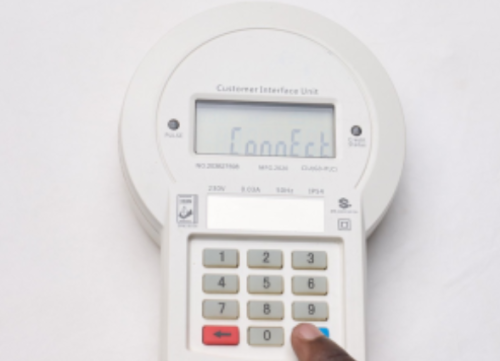
Such a system, it said, would allow countries to share surplus capacity, reduce shortages, and stabilise supply. EPRA also pointed to continental initiatives like the M300 Initiative, which seeks to connect 300 million people in Sub-Saharan Africa to electricity through coordinated regional investment.
The week-long conference, themed ‘Advancing Energy Affordability and Security in Sustainable Development’, brought together policymakers, researchers and industry stakeholders to explore practical solutions for balancing rising energy demand with the need for affordable and reliable electricity across the continent.
EPRA said the proposed reforms are expected to ease pressure on households and industries by stabilising electricity tariffs, even as global fuel price fluctuations continue to influence generation costs, and urged stakeholders to support sustained investment, innovation, and regional coordination to achieve long-term affordability and energy security goals across the region in the coming years.