CS Wandayi justifies Kenya’s high power costs compared to neighbouring countries
By Ndiritu Wanjiru, February 25, 2026Energy and Petroleum Cabinet Secretary Opiyo Wandayi has justified Kenya’s high power costs and pricing systems compared to its East African peers.
Wandayi argued that the costs of power have to be interpreted within the context of the country and its energy situation, as well as its economic conditions.
Speaking in an interview with a local TV station on Tuesday, February 24, 2026, the CS argued that comparisons of increasing bills directly with other countries are not very accurate since electricity tariffs are influenced by a variety of country-specific conditions, including the source of generation, the investments in infrastructure, and the regulatory systems.
“Various countries depend on a different combination of energy sources, which will include geothermal, hydro, thermal, wind or solar, and each source has different costs of production and maintenance,” Wandayi stated.
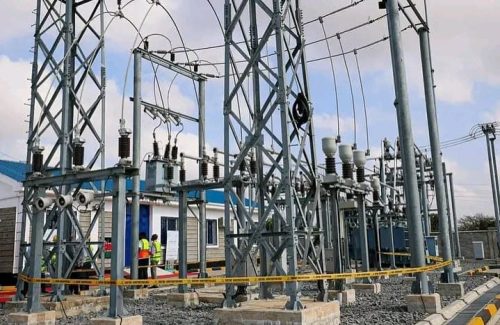
Opiyo Wandayi further said that the consumer tariff is affected by the generation profile in Kenya and the cost of transmitting and distributing electricity in a growing national grid.
“There is also the issue of network maintenance, system losses, and continuous upgrades of the infrastructure, which is also part of an overall pricing equation,” Wandayi added.
Wandayi recognised that most households and businesses are experiencing the burden of high electricity prices, but that the government is also taking calculated actions to deal with the problem.
He claimed that there are reforms being done to gradually control and reduce the power price, and to keep the sector financially sustainable. Such actions involve re-examination of power purchase contracts, enhancing regulatory control, stimulating wise investment in generation and transmission, and efficiency in the work of the energy value chain.
Wandayi defends government’s efforts
The CS highlighted the fact that low-cost electricity is at the heart of Kenya in its wider development agenda. Stable and affordable power, he said, helps in manufacturing, investment and small business to flourish.
He noted that it is also very important in social development, as it improves access to education, healthcare, and digital opportunities. The government strategy, according to Wandayi, aims at creating a balance between affordability for the consumers and ensuring that the energy sector remains stable and friendly to investors.
Kenya’s power prices in comparison to other countries
Wandayis’ sentiments come at a time when Kenya has experienced the highest electricity costs among selected African countries, according to the 2023–2025 average data by Global Petrol Prices (2025).

The report shows Kenyan households pay an average of Ksh29.63 per kilowatt-hour (kWh), while businesses pay Ksh23.70 per kWh.
Rwanda and Uganda charge Ksh27.07 and Ksh23.03, respectively, for households.
The data underscores Kenya’s relatively high power costs compared to regional and continental peers, raising concerns about household energy burdens and business competitiveness.