CS Kagwe reveals how Kenya loses billions through exports
By Aloys Michael, July 1, 2026Cabinet Secretary Mutahi Kagwe has revealed that Kenya continues to lose billions of shillings by exporting raw agricultural produce instead of value-added products, allowing foreign countries to reap the biggest profits through processing, packaging, and branding.
Speaking on Wednesday, July 1, 2026, at the World Food Prize Foundation DialogueNext Forum, Kagwe criticised global trade policies that favour the export of raw commodities from Africa while imposing higher tariffs on processed goods.
He argued that the system has, for decades, denied African countries opportunities to industrialise and maximise earnings from their agricultural exports.
“It is difficult to explain to an African farmer why it is acceptable to export raw coffee but prohibitively expensive to export roasted coffee,” Kagwe wrote on Facebook.
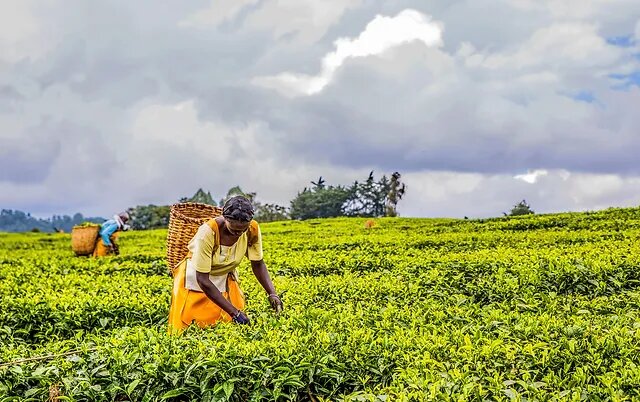
According to the CS, Kenya, despite producing some of the world’s finest coffee and tea, earns far less than countries that import the raw products, process them, and sell them at significantly higher prices in international markets.
Kagwe said the continued export of raw produce also means African countries are losing thousands of jobs that could be created through local manufacturing, packaging, logistics, and agricultural technology industries.
He urged African nations to prioritise value addition before exporting agricultural products, saying this would strengthen rural economies, increase farmers’ incomes, and boost national revenues.
The CS cited Kenya’s ban on the export of raw in-shell macadamia as an example of policies aimed at promoting local processing. He called for similar interventions in the coffee and tea sectors to ensure more processing, packaging, and branding are undertaken within the country.
Kagwe also criticised policies that impose taxes on agro-processing machinery while governments simultaneously seek to promote agricultural transformation, saying such contradictions discourage investment in local industries.
To support agricultural growth, he called for financing models tailored to farming cycles, including affordable long-term credit, flexible repayment plans, and weather-indexed insurance to cushion farmers against climate-related risks.
He maintained that reforming global trade rules, expanding local processing, and improving access to agricultural financing are critical to making farming more profitable and attractive to younger generations.
“If we truly believe in equitable global development, international trade rules must reward value addition, not punish it,” Kagwe said.
The forum brought together agriculture ministers, policymakers, scientists, development partners, private-sector players, and farmer organisations from across Africa and beyond to discuss the future of food systems and agricultural transformation.