Advertisement
Why health insurance could deny you marriage certificate
Friday 01st December, 2023 09:30 AM|
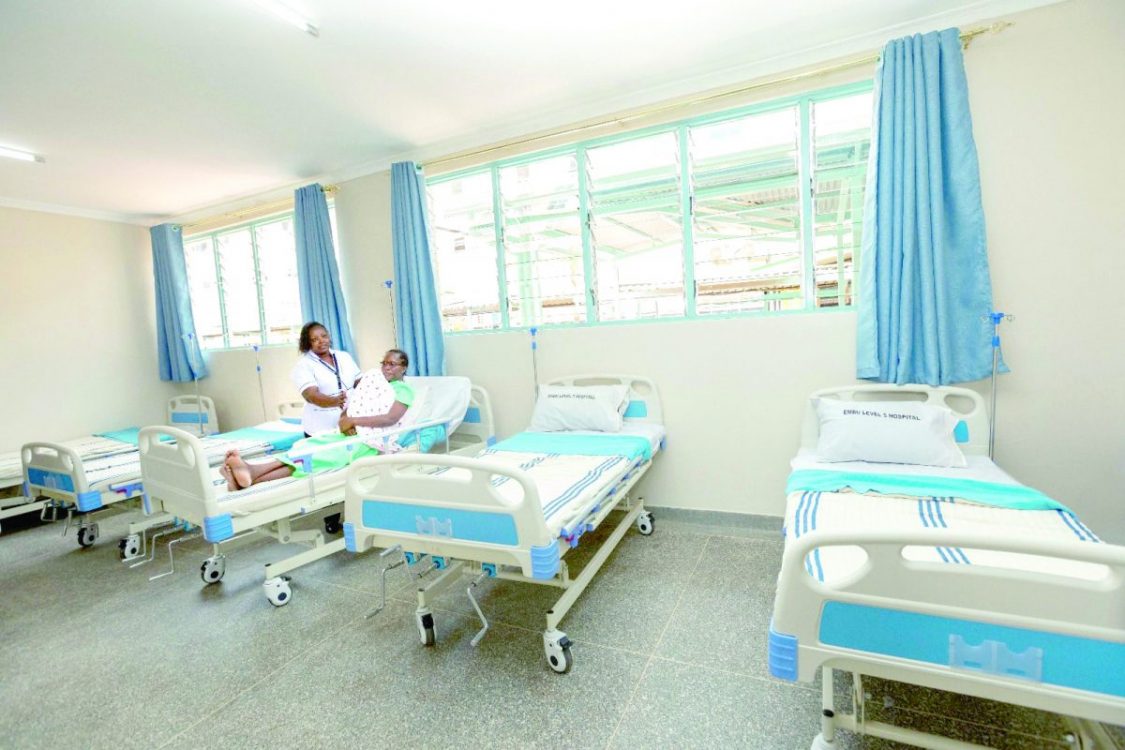
The government will not recognise marriages of Kenyans who will not have registered with the proposed Social Health Insurance Fund (SHIF) should the regulations formulated by the Ministry of Health be adopted.
Still, such individuals will also be denied nationaI identity cards and passports as part of the measures by the government to ensure compliance by a larger portion of the adult Kenyan population.
Proposed regulations published by Health Cabinet Secretary Susan Nakhumicha, besides not having their marriages registered by the government, the persons would also not be eligible for appointment to hold public offices.
In a bid to ensure most Kenyans join the scheme that has been earmarked to be operational starting next January, the government also says individuals without the cards would be denied accessibility to student loans for higher education and driving licences.
Other key government services such individuals would be denied include accessing transfers for social assistance and government subsidy; selling and purchasing of property; licensing of motor vehicles; registration of a business name, partnership or corporation; issuance of travel permits or passes; and procurement of goods and services or asset disposal.
Compliance checks
“For purposes of section 26(5), a public officer or public entity shall undertake such compliance checks as may be necessary including requesting a person seeking government service in the public entity to provide their social health insurance num ber,” section 70 of the regulations states.
It further states: “All public entities shall review their list of requirements and service charters to include the requirement for production of the social health insurance number and confirmation that the contributions are up to date by the individuals.”
To enforce the requirement, all public institutions and agencies, charged with the mandate of discharging government services, would be obligated to show proof of mechanisms it has put in place to confirm that an individual’s SHIF status is up to date before it is licensed. SHIF Act 2023 was signed into law by President William Ruto on October 19, alongside three other laws that included…
Facilities Improvement Financing Act; Primary Healthcare Act and Digital Healthcare Act. Though the President had envisaged SHIF to be operational by January to pave way for the implementation of the Universal Health Coverage (UHC), the High Court on Monday temporarily stopped its operationalisation. Justice Chacha Mwita temporarily stopped the State from enforcing the three new funds gazetted by Nakhumicha pending the determination of a case lodged in court by activist Joseph Enock.
“In the meantime, a conservatory order is hereby issued restraining the respondents (President William Ruto, CSs in the Ministry of Health and Information, the Attorney General, Commission for Revenue Collection, The National Assembly and the Senate), their agents and or anyone acting on their directives from implementing and or enforcing The Social Health Insurance Act,2023; The Primary Health Care Act, 2023 and the Digital Health Act,2023 until February 7, 2024,” Justice Mwita had ordered.
Before the court halted brakes on the operationalisation of the three Funds, the Kenya Medical Practitioners, Pharmacists and Dentists Union (KMPDU) had raised concerns over the new laws having been enacted without engaging stakeholders to resolve the contentious issues.
The doctors’ union took issue with section 26(5) of the SHIF Act which provides that; “Any person who is registerable as a member in this act shall produce proof of compliance with the provisions of this Act on registration and contribution as a precondition of accessing public services from the national government, county government or national and county government entities.”
KMPDU Secretary General Dr Davji Atellah said implementation of the proposed regulations would disenfranchise Kenyan citizens from accessing government services. At the same time, Kenyans seeking treatment abroad would only benefit from the proposed SHIF if they provide proof that the medication being sought is not available locally.
Mandatory requirement
It would also be mandatory to all foreigners travelling into the country to have an SHIF cover for his/her entire stay in Kenya pursuant to section 26(6) of the Social Health Insurance Act. During the visitor’s stay, SHIF would cover for the person’s personal accident that may lead to death or permanent total disability, emergency medical expenses, emergency medical evacuation and repatriation of mortal remains.
The visitor would also be covered for hospital benefits, prescription medicines; and any other benefit as may be prescribed by the Cabinet Secretary. Apparently, it is not mandatory for any visitor to Kenya to have an insurance cover, an aspect that has been left to the discretion of the individual.
“A beneficiary may access treatment outside Kenya where their contributions in favour of the beneficiary are up to date and provide proof that the treatment sought abroad is not available in Kenya. The treatment sought is being provided by a healthcare provider or health facility contracted by the Authority,” the regulations published and now awaiting scheduled public participation states.
An individual seeking treatment outside the country shall request the Social Health Authority (SHA) to authorize the treatment by providing a referral for overseas treatment from the treating doctor or consultant submitted online as prescribed in the regulations.
The government will not recognise marriages of Kenyans who will not have registered with the proposed Social Health Insurance Fund (SHIF) should the regulations formulated by the Ministry of Health be adopted.
Still, such individuals will also be denied nationaI identity cards and passports as part of the measures by the government to ensure compliance by a larger portion of the adult Kenyan population.
Proposed regulations published by Health Cabinet Secretary Susan Nakhumicha, besides not having their marriages registered by the government, the persons would also not be eligible for appointment to hold public offices.
In a bid to ensure most Kenyans join the scheme that has been earmarked to be operational starting next January, the government also says individuals without the cards would be denied accessibility to student loans for higher education and driving licences.
Other key government services such individuals would be denied include accessing transfers for social assistance and government subsidy; selling and purchasing of property; licensing of motor vehicles; registration of a business name, partnership or corporation; issuance of travel permits or passes; and procurement of goods and services or asset disposal. Compliance checks
“For purposes of section 26(5), a public officer or public entity shall undertake such compliance checks as may be necessary including requesting a person seeking government service in the public entity to provide their social health insurance num ber,” section 70 of the regulations states. It further states:
“All public entities shall review their list of requirements and service charters to include the requirement for production of the social health insurance number and confirmation that the contributions are up to date by the individuals.”
To enforce the requirement, all public institutions and agencies, charged with the mandate of discharging government services, would be obligated to show proof of mechanisms it has put in place to confirm that an individual’s SHIF status is up to date before it is licensed.
SHIF Act 2023 was signed into law by President William Ruto on October 19, alongside three other laws that included… Facilities Improvement Financing Act; Primary Healthcare Act and Digital Healthcare Act. Though the President had envisaged SHIF to be operational by January to pave way for the implementation of the Universal Health Coverage (UHC), the High Court on Monday temporarily stopped its operationalisation. Justice Chacha Mwita temporarily stopped the State from enforcing the three new funds gazetted by Nakhumicha pending the determination of a case lodged in court by activist Joseph Enock.
“In the meantime, a conservatory order is hereby issued restraining the respondents (President William Ruto, CSs in the Ministry of Health and Information, the Attorney General, Commission for Revenue Collection, The National Assembly and the Senate), their agents and or anyone acting on their directives from implementing and or enforcing The Social Health Insurance Act,2023;
The Primary Health Care Act, 2023 and the Digital Health Act,2023 until February 7, 2024,” Justice Mwita had ordered. Before the court halted brakes on the operationalisation of the three Funds, the Kenya Medical Practitioners, Pharmacists and Dentists Union (KMPDU) had raised concerns over the new laws having been enacted without engaging stakeholders to resolve the contentious issues.
The doctors’ union took issue with section 26(5) of the SHIF Act which provides that; “Any person who is registerable as a member in this act shall produce proof of compliance with the provisions of this Act on registration and contribution as a precondition of accessing public services from the national government, county government or national and county government entities.”
KMPDU Secretary General Dr Davji Atellah said implementation of the proposed regulations would disenfranchise Kenyan citizens from accessing government services. At the same time, Kenyans seeking treatment abroad would only benefit from the proposed SHIF if they provide proof that the medication being sought is not available locally.
Mandatory requirement
It would also be mandatory to all foreigners travelling into the country to have an SHIF cover for his/her entire stay in Kenya pursuant to section 26(6) of the Social Health Insurance Act. During the visitor’s stay, SHIF would cover for the person’s personal accident that may lead to death or permanent total disability, emergency medical expenses, emergency medical evacuation and repatriation of mortal remains. The visitor would also be covered for hospital benefits, prescription medicines; and any other benefit as may be prescribed by the Cabinet Secretary.
Apparently, it is not mandatory for any visitor to Kenya to have an insurance cover, an aspect that has been left to the discretion of the individual.
“A beneficiary may access treatment outside Kenya where their contributions in favour of the beneficiary are up to date and provide proof that the treatment sought abroad is not available in Kenya. The treatment sought is being provided by a healthcare provider or health facility contracted by the Authority,” the regulations published and now awaiting scheduled public participation states.
An individual seeking treatment outside the country shall request the Social Health Authority (SHA) to authorize the treatment by providing a referral for overseas treatment from the treating doctor or consultant submitted online as prescribed in the regulations.
Author
Print Reporter
View all posts by Print ReporterLatest News






Advertisement
More on News