Trump hints at breakthrough Iran deal amid high-stakes uranium talks
By Sharon Atieno, May 26, 2026Donald Trump has signalled that a possible agreement between Washington and Tehran could be within reach, although uncertainty continues to cloud the high-stakes negotiations over Iran’s nuclear programme and regional security demands.
Speaking through social media posts on Tuesday, May 26,2026, Trump said discussions with Iran were progressing in a “constructive” manner, but warned American negotiators against rushing into a final agreement despite speculation that a breakthrough was imminent.
Sources familiar with the negotiations told CBS News that the tentative framework under discussion would require Iran to immediately reopen the Strait of Hormuz and dispose of its stockpile of enriched uranium in exchange for possible sanctions relief from the United States.
Uncertainty remains over peace talks
Despite signs of progress, officials from both Washington and Tehran have indicated that key disagreements remain unresolved, with no clear timeline yet established for a final peace deal.
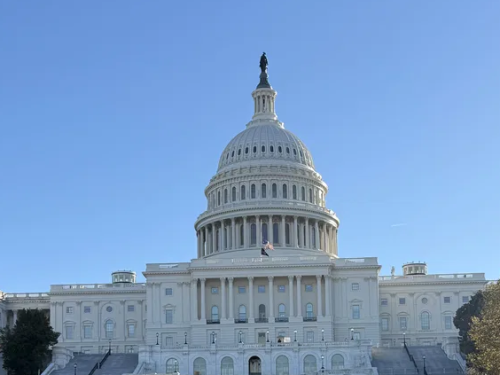
Trump maintained that caution was necessary to avoid mistakes during negotiations involving Iran’s nuclear ambitions and security tensions across the Middle East.
“Negotiations are proceeding in an orderly and constructive manner, and I have informed my representatives not to rush into a deal because time is on our side,” Trump stated.
“Both sides must take their time and get it right. There can be no mistakes!” he added.
The US president also reiterated that Iran must never be allowed to develop a nuclear weapon, a position strongly backed by Israel and several Western allies.
Strait of Hormuz at centre of talks
The reopening of the Strait of Hormuz has emerged as one of the most sensitive aspects of the negotiations, with the vital shipping route remaining heavily affected by regional tensions.
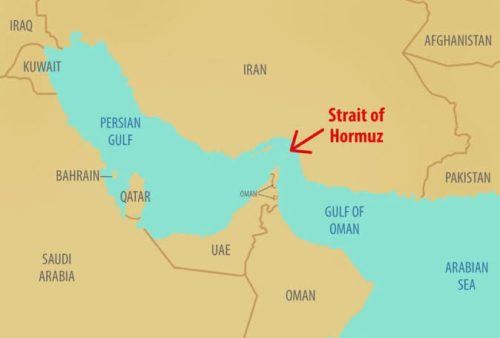
Iran’s continued control over the strait has disrupted global energy markets, sending oil prices sharply higher amid fears over the movement of crude oil and liquefied natural gas through the region.
Reports further indicate that Tehran could be required to surrender or dispose of large quantities of highly enriched uranium as part of any final agreement aimed at easing sanctions and reducing military tensions.
Political divisions emerge in Washington
The proposed deal has already triggered divisions within American politics, with some Republican leaders warning that the agreement could be too lenient on Iran.
However, supporters of the negotiations argue that continued diplomacy offers the best chance of preventing wider conflict in the Middle East following months of military escalation between Iran, Israel and US-allied states.
Analysts say the outcome of the talks could significantly shape regional stability, global oil markets and future relations between Washington and Tehran.