Advertisement
Study: 4.2m minors battling mental illnesses
Tuesday 14th June, 2022 01:50 AM|
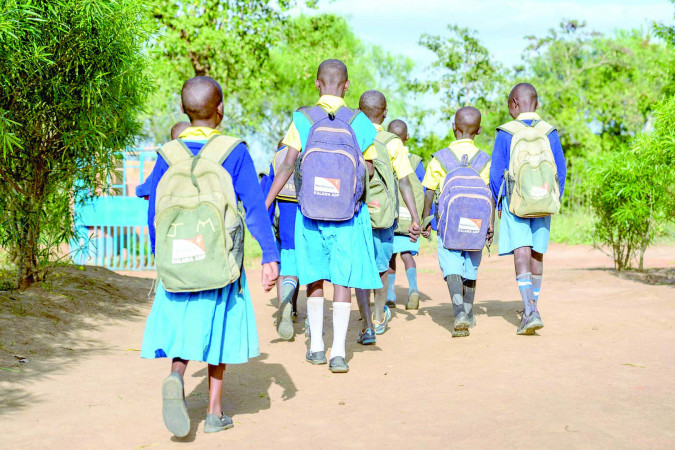
Medical experts are raising concern about mental health problems among children in Kenya.
The experts warn that lack of platforms dedicated to children and adolescent mental health issues may limit the implementation of mental health strategies.
This is despite the mental well-being of children being recognised in several Acts of Parliament, government policies and in global and regional conventions of which Kenya is a signatory.
Recently, Gertrude Hospital released a survey showing that 40 per cent, or about four million Kenyan children, are experiencing the burden of the Covid-19 pandemic’s impact.
The report estimates that between 20 to 40 per cent of children, about 2.3 million to 4.2 million, could be quietly battling mental illnesses.
The national census of 2019 estimates that there are about 11.6 million children aged between 10 and 19 years, which is about 24.5 per cent of the country’s population.
Poor concentration
Dr. Thomas Ngwiri, the Head of Clinical Services at Gertrude Hospital, says outcomes from the pandemic’s impact could have raised mental health problems in children.
“There isn’t one single cause of mental illness. It is often a combination of genetic predisposition, temperaments or ways of thinking and social stressors,” he noted.
The survey found out that many children were having difficulties in sleeping, had suddenly started bedwetting after being dry for months, had difficulties concentrating in class or were even refusing to go to school.
In October last year, when the United Nations Children Education Fund (UNICEF) announced a support platform for children, Childline Kenya, the UN children agency listed various mental disorders that are affecting the young population.
“Diagnosed mental disorders, including ADHD (Attention deficit hyperactivity disorder), anxiety, autism, bipolar disorder, conduct disorder, depression, eating disorders, intellectual disability, and schizophrenia, can significantly harm children and young people’s health, education, life outcomes and earning capacity,” UNICEF noted.
School closure
Childline Kenya takes calls from children and young people in need of help, including for mental health issues. The number of calls to the service more than doubled during the pandemic.
As schools re-opened, UNICEF worked with the Teachers Service Commission to send messages to over 300,000 teachers on how to deal with the impact of Covid-19 and prolonged school closures on children’s psychosocial wellbeing.
“Children and young people in Kenya have felt the impact of the Covid-19 pandemic on their mental health as much as anywhere else in the world,” UNICEF Representative to Kenya Maniza Zaman said.
“During school closures, children suffered learning loss and were at greater risk of violence and abuse. Young people saw their job opportunities shrink. All this takes a toll on mental health. UNICEF worked to ensure that children could access the support they need, including through the 116 helplines and also as they returned to school.”
Author
George.Kebaso
View all posts by George.KebasoLatest News








Advertisement
More on News