Advertisement
State seeks MPs’ approval for extra Ksh150B to fund Affordable Housing
Thursday 14th May, 2026 07:30 AM|

The national government has requested Parliament to approve an additional Ksh150 billion to bridge a major funding gap in the government’s affordable housing programme.
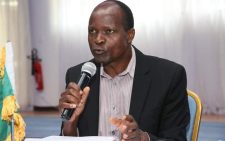
Appearing before the National Assembly Committee on Housing, Urban Planning and Public Works on May 13, 2026, the Principal Secretary of the State Department for Housing and Urban Development, Charles Hinga, said that the programme’s current funding levels are not enough to sustain the target of delivering thousands of housing units annually countrywide.
“We asked you to go and fight for us, the Ksh25 billion. Now we have come back to you, I don’t know, six times the Ksh25 billion. We are asking you to go and prosecute the case; we need Ksh150 billion,” the PS noted.
Hinga explained that the current Ksh100 billion collected annually towards the project is still insufficient, especially as demand for affordable housing continues to rise in urban and peri-urban areas across the country.
You Might Also Like
Even so, lawmakers warned that the 2026/27 financial year estimates do not meet the actual programme requirements, noting that the housing agenda needs about Ksh228 billion to remain on track.
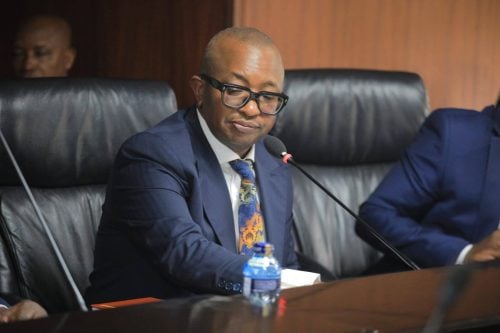
The National Treasury allocated Ksh50.6 billion to the Affordable Housing Programme in the 2026-2027 budget, drawn from a total Ksh135.8 billion set aside for the State Department for Housing and Urban Development.
The programme is currently targeting the construction of at least 2,000 affordable housing units annually, a target that Hinga believes might likely set a major setback due to the financial lapses.
PS Hinga also pointed to alternative funding models, including housing sales and securitised receivables, saying they could generate up to Ksh100 billion to support the programme’s long-term sustainability, and revealed that he has given the Affordable Housing Board’s CEO, Sheila Waweru, a target of Ksh50 billion to be achieved from the plan.
“We have given the CEO the target of 50 billion now because, Chair, the sales have a long runway and then the securitisation receivable, which is an income of another 100 billion,” Hinga stated.
He further noted that Parliament’s support is crucial in unlocking the additional funds, stressing that without the extra allocation, implementation timelines could slow down significantly.
The committee is expected to deliberate on the proposal amid mounting pressure on the government to balance housing ambitions with available fiscal space.
Author
Latest News


Advertisement
More on News