Advertisement
State partners to boost sanitation in rural regions
Wednesday 20th December, 2023 05:00 AM|
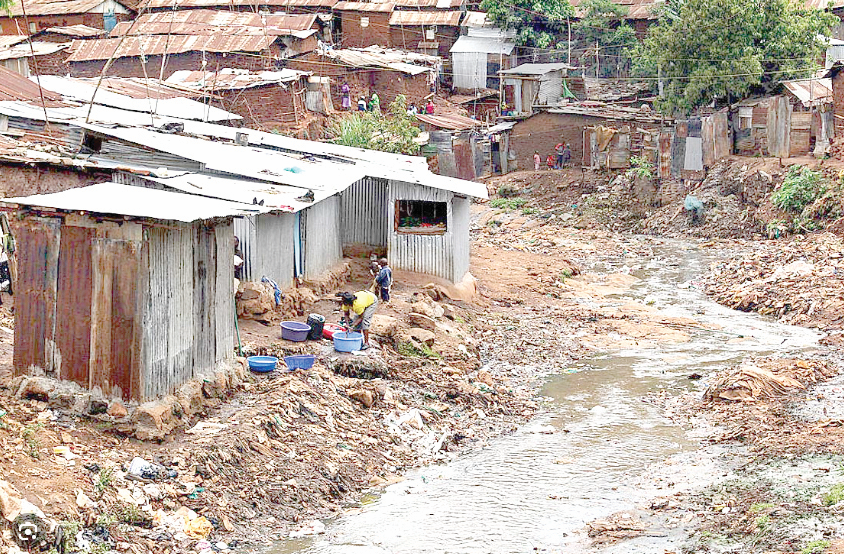
Open Defecation (OD) is still prevalent in 15 rural counties curtailing efforts aimed at achieving universal access to improved sanitation, and elimination of the outdated practice.
It’s believed that by addressing these challenges Kenya would have hit the road to ensuring that everyone lives in clean and healthy environments by 2030.
Consequently, the government and partners have rejuvenated efforts to enable some rural households to access quality sanitation facilities and reduce OD in the country by unveiling strategies towards meeting the global 2030 targets.
Public Health and Professional Standards Principal Secretary, Mary Muriuki said the Rural Sanitation and Hygiene (RUSH) Protocol and Community-led Total Sanitation (CLTS), are crucial for the country in its bid to the UN’s Sustainable Development Goal 6.2 of sanitation and Hygiene.
“We can make significant strides towards a future where all rural communities in Kenya have eliminated open defecation, achieve universal access to improved sanitation, and live in clean and healthy environments,” she noted in a speech delivered by Dr Maureen Kamene, acting, Head, Directorate of
However the PS called for prioritised collaboration between county governments and sub-county administrations.
The SDG Target 6.2; Sanitation and hygiene stipulate that by 2030, the world should achieve access to adequate and equitable sanitation and hygiene for all and end open defecation. The target also calls for prioritising needs of women and girls and those in vulnerable situations.
These objectives are also contained in the Vision 2030, the country’s economic blueprint, Water and Sanitation component which calls for ensuring that improved water and sanitation are available and accessible to all.
It also articulates the increase of both access to safe water and sanitation in both rural and urban areas beyond the present levels.
“And the Rural Sanitation and Hygiene Protocol presented here outlines a phased approach to guide the achievement of the government’s strategic objectives,” said Muriuki. The Protocol is intended for use by public health officials, community health teams, and key local stakeholders at various administrative levels.
Open defecation (OD) is practiced by 8.5 per cent of the population, most of them in rural areas. In addition, a large proportion of the population, about 33 percent overall and 40 percent in rural areas, rely on unimproved sanitation services.
An estimated 40 percent of Kenya’s population have no hand washing facility at home, according to the National Census 2019, which confirms that rural sanitation remains a significant challenge in Kenya.
About 83 percent of the population that practices OD lives in the 15 counties, also classified as Arid and Semi-Arid Lands (ASAL) with 10 per cent of rural residents defecating in the open.
“The protocol marks a pivotal step forward in our collective journey to transform rural sanitation and hygiene.
“It also provides a roadmap for action, offering guidance on the progressive grading system that encompasses Open Defecation Free (G1), Safe and Sustainable (G2), and Clean and Healthy (G3) environments,” she said.
Acting Director General of Health, Dr Patrick Amoth called for behaviour change among Kenyans, particularly in the areas where OD is still practiced, safe management practices, and sustainability to ensure there is a long-term impact of these efforts.
“Overall, the Rural Sanitation and Hygiene Protocol aims to accelerate progress towards improved sanitation and hygiene outcomes in rural communities in Kenya,” he said in remarks delivered by Dr Kigen Bartilol, acting director, Health Standards.
In 2012, the World Bank already estimated that Kenya’s economic losses due to poor sanitation amounted to Sh27 billion every year. “Addressing the sanitation challenge in Kenya not only can remedy these losses but can help unlock additional economic opportunities,” according to the World Bank.
However, the Council of Governors Advisor on Health, Dr Emmanuel Wamalwa revealed that the counties were now taking the issue of sanitation seriously as a priority, emphasising that this is because diseases associated with diarrhoea are still a problem in the country.
“Therefore, counties are investing in sanitation and health programmes to ensure that all Kenyans have good health outcomes,” he told journalists.
He noted that the progress made by the devolved units was halted by the various challenges related to climate change that the country has faced for about 15 months consecutively.
Author
George.Kebaso
View all posts by George.KebasoLatest News








Advertisement
More on News