Advertisement
Salasya proposes overhaul of NG-CDF to drive community development
Thursday 21st August, 2025 07:35 AM|
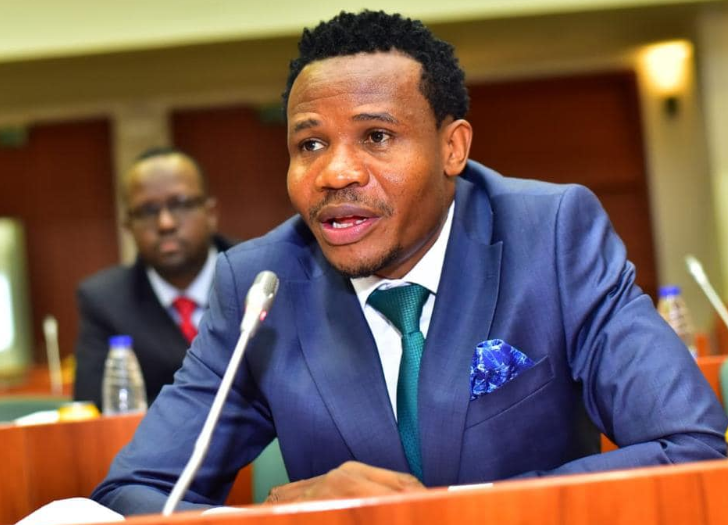
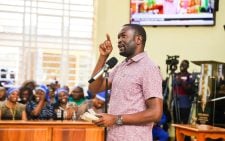
Mumias East MP Peter Salasya has proposed a radical restructuring of the National Government Constituencies Development Fund (NG-CDF), urging that it be redirected to community development while the government takes full responsibility for funding free basic education.
In a statement shared on his X account on Thursday, August 21, 2025, Salasya said Kenya needs a broader and more transformative vision for both education and local development.
“I propose a transformative vision to reposition the National Government Constituencies Development Fund (NG-CDF) and revolutionise education,” he stated.
The MP explained that NG-CDF should no longer be tied mainly to bursaries but instead be invested in projects that directly uplift communities, such as rural infrastructure, environmental conservation, youth empowerment, and security.
You Might Also Like

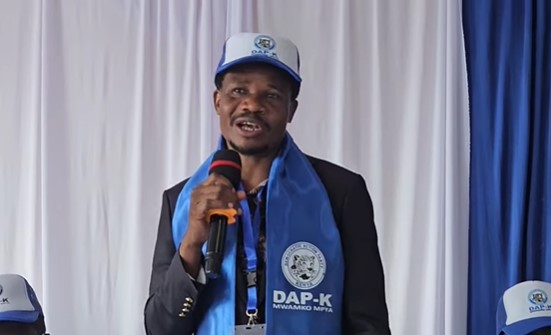

According to him, the government should fully take over education financing to ensure free and compulsory primary and secondary schooling.
“Government will fund education fully, allowing NG-CDF to focus on community upliftment, creating an equitable and thriving Kenya,” Salasya said.
He stressed that this shift would also improve accountability and unity in resource management, ensuring that every child has access to learning and every community has a chance to prosper.
“Those calling for NG-CDF funds to be limited to bursaries, I hear your passion for education, and I share it. However, I urge us to embrace a broader vision, one that integrates education with community-driven development to create a stronger, more resilient Kenya,” he added.
The NG-CDF was established under the CDF Act of 2003 and later anchored in law through the 2016 NG-CDF Act. The fund allocates at least 2.5 per cent of the national revenue to constituencies for projects identified by residents.
It has been instrumental in financing local schools, health facilities, and security infrastructure, with more than 3,000 schools built across the country, giving hundreds of thousands of children access to education.
Kenya’s Constitution guarantees free and compulsory basic education, and in 2003, the government introduced free primary education by scrapping school fees.
However, concerns over sustainability have grown in recent years. In July 2025, Treasury Cabinet Secretary John Mbadi warned that the free education model was under strain, announcing cuts in capitation grants for secondary schools.
Despite the financial squeeze, President William Ruto has maintained that free education is a constitutional right and pledged to continue supporting it.
Author
Ascah Mwango
View all posts by Ascah MwangoLatest News

Advertisement
More on News