Ruto unveils ambitious plans to eradicate mud roads and light up Nairobi streets
By Luke Oluoch, October 12, 2025President William Ruto has unveiled plans for a major facelift targeting Kenya’s capital city, Nairobi.
Speaking on Sunday, October 12, 2025, in AIC Ziwani church, the president asserted that Nairobi would undergo a transformation befitting its stature as Kenya’s capital.
Ruto maintained that the time was right to revamp the city, stressing that the city would no longer be a city under darkness or mired by filth.
Also watch: “I am unique and that’s why I must transform Kenya”- William Ruto
Mobilty
“We have agreed to partner with the county government to clean Nairobi. It cannot continue to be a city in filth. We already have up to 40 thousand youths in the Nairobi River regeneration programme,” he said.
The Head of State revealed that engagements with the private sector were already on course to enhance mobility and accessibility within the cosmopolitan town.
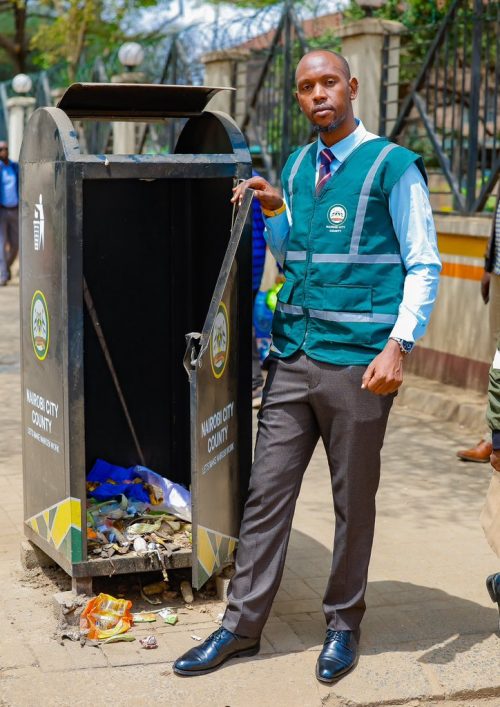
According to the president, the private sector will jointly work with the national government and the Nairobi County government.
“We are in the final stages of signing an agreement with the private sector on how we are going to clean this city. We have also agreed that we will have no muddy roads in our city. The government will provide resources to improve our roads and also to light up our streets,” he added.
Also watch: Ruto promises to cut motorcycle prices by half
Good image
We are finalising plans to ensure the city is mobile, motorable, and clean. We want to ensure that this city presents an image of the country,” he added.
During the celebration to mark the 70th anniversary of the AIC churches, Ruto was accompanied by a host of leaders, including Nairobi Governor Johnson Sakaja, Interior Cabinet Secretary Kipchumba Murkomen, Interior Principal Secretary Raymond Omollo, MPs Felix Odiwuor from Lang’ata, Kamket from Baringo, and Makadara MP George Aladwa, as well as 47 MCAs and other government officials.
The solemn celebration of the church’s long journey was both heartfelt and symbolic. It offered a reflection on the church’s role in shaping the moral and spiritual fabric of the community.
Leaders praised the church’s role as an enduring symbol of hope, education, and peace since its founding.