Ruto signs Sovereign Wealth Fund Bill into law
By Mabonga Makhanu, July 8, 2026President William Ruto has assented to the Sovereign Wealth Fund Bill into law following a signing ceremony held at State House and attended by various government officials and stakeholders on Wednesday, July 8, 2026.
The event featured several schoolchildren who stood alongside President Ruto during the signing to symbolise the Bill’s focus on safeguarding wealth for future generations. The Sovereign Wealth Fund is designed to set aside a portion of proceeds generated from the sale and management of selected national assets, to create long-term savings and investments that will benefit generations to come.
After signing the bill into law, President Ruto, together with the schoolchildren, participated in the ceremonial sealing of the Act using the public seal, underscoring the significance of the legislation.
Chief of Staff and Head of the Public Service Felix Koskei described the enactment of the law as a major milestone in Kenya’s economic transformation agenda. He said the establishment of the Sovereign Wealth Fund marks another step towards the country’s ambition of attaining first-world economic status by ensuring that wealth generated today is preserved and invested for the benefit of future generations.
About the Bill
The proposed law seeks to establish the Kenya Sovereign Wealth Fund (KSWF), a special government fund that will be owned by the National Treasury and held in trust for all Kenyans.
The fund is expected to start with an estimated Ksh200 billion, drawn mainly from natural resource revenues, government profits from petroleum operations, royalties from mining and oil, and proceeds from the divestment of state interests in energy and mineral enterprises.
According to the draft bill, the fund will serve three key purposes: stabilising the economy during revenue fluctuations, financing major infrastructure projects, and saving part of Kenya’s resource income for future generations.
The KSWF will be divided into three parts – the Stabilisation Component, the Strategic Infrastructure Investment Component, and the Future Generation (Urithi) Component.
The Stabilisation Component will act as a buffer during periods of reduced resource revenue or economic shocks. The infrastructure component will fund key national development projects, while the future generation fund will ensure long-term savings from Kenya’s non-renewable resources.
The Treasury said that all money for the fund will first be deposited in a special holding account at the Central Bank of Kenya. At the start of each financial year, the Cabinet Secretary will determine how much goes into each of the three components. The law also requires that at least 10 per cent of the funds be reserved for the future generation component.
The bill also restricts the fund from lending money, offering credit, or being used as collateral for government borrowing. Investments can only be made in approved instruments listed in the Second Schedule of the Bill.
New provisions and revisions
The 2025 draft introduces several changes from the earlier 2019 version. One key addition is the inclusion of proceeds from the sale or divestment of government interests in petroleum and mining projects as part of the fund’s revenue sources.
This could include income from entities such as the Kenya Pipeline Company (KPC) if the government decides to offload part of its stake.
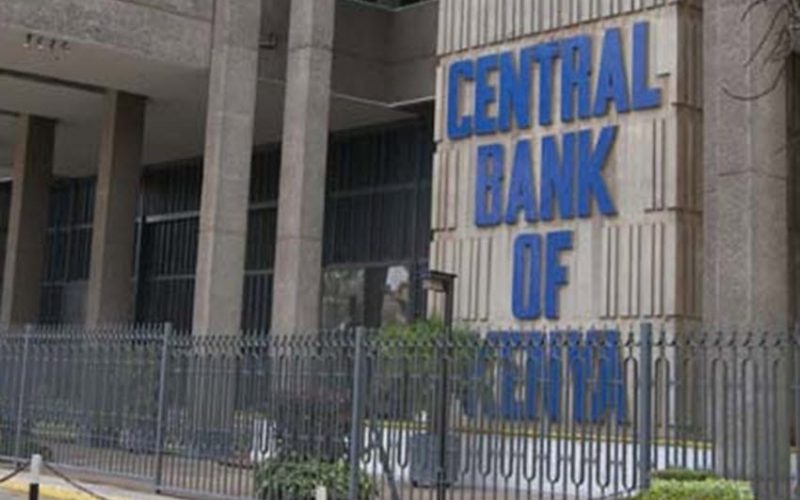
PHOTO/@CBKKenya/ X
Another major change allows decisions on holding foreign currency assets to be made in consultation with the Central Bank of Kenya, rather than leaving the discretion solely to the Treasury. This is seen as an effort to diversify Kenya’s reserves beyond the US dollar.
The bill also removes the fixed allocation percentages that previously governed how funds were distributed among the three components. The Cabinet Secretary will now have flexibility to decide the allocation each year based on the prevailing economic conditions.
Additionally, the new draft proposes that only 50 per cent of investment income from the Stabilisation Component be reinvested into it, with the rest directed to the Future Generation Fund to enhance long-term national savings.
Public debate and criticism
The proposal has drawn criticism. Justina Wamae, the former Roots Party presidential running mate, questioned the timing of the initiative, arguing that Kenya should first achieve food sovereignty before setting up a wealth fund.
In a post on X dated October 5, 2025, Wamae said the idea was misplaced given the country’s high public debt and ongoing struggles with food insecurity.
“How do we set up a sovereign wealth fund when we keep running a budget deficit?” she asked.
She pointed out that countries with successful wealth funds have well-managed natural resources and budget surpluses. Wamae further noted that nearly half of Kenya’s ordinary revenue goes towards debt repayment and pensions, leaving little room for new financial ventures.