Advertisement
Ruto: No citizen will be left behind in matters of healthcare
Thursday 07th August, 2025 07:17 PM|

President William Ruto has reaffirmed his government’s commitment to transforming Kenya’s healthcare system into an inclusive, rights-based service, insisting that access to medical care must not be dictated by income or location.
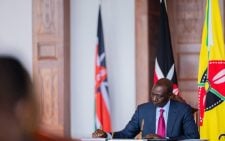
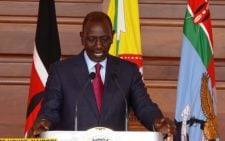
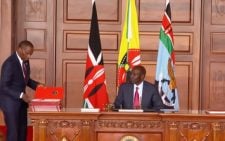
Speaking at State House, Nairobi, during the launch of the National Equipment Service (NES) Project, on Thursday, August 7, 2025, Ruto made a passionate appeal for health equity, stating, “Let me persuade you; let health never be a privilege, but it should be a right to every citizen, and it is my responsibility and the leaders’ that none of the citizens are left behind.”
His remarks reflect a renewed push to fulfil the constitutional goal of Universal Health Coverage (UHC), with the administration vowing to build a system that is “robust, responsive, and equitable”.
Bridging service gaps
The launch of the NES Project marks a critical step in addressing disparities in healthcare access across the country. Under the initiative, counties will receive advanced diagnostic, surgical, and treatment equipment through a sustainable, integrated leasing model.
You Might Also Like
Health Cabinet Secretary Aden Duale said the project departs from previous fragmented systems by embracing a smarter, more transparent structure that enhances capacity and long-term service delivery.
“We’re not only upgrading healthcare infrastructure; we are transforming how medical equipment is procured, utilised, and managed across the country,” said Duale.
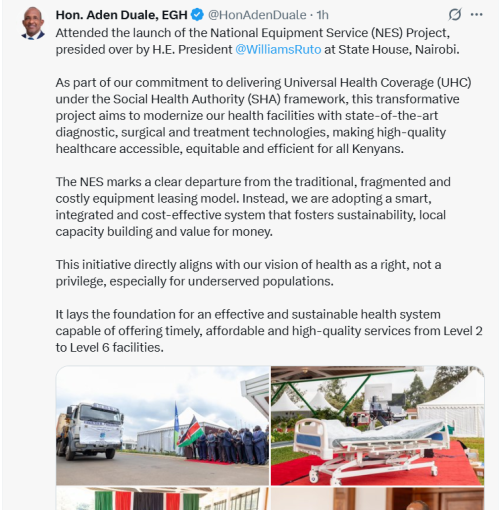
He announced the initial deployment of 14 CT scans, 2 ultrasound machines, 30 dialysis units, and 1 digital X-ray machine to various county facilities, noting that the rollout will greatly improve diagnostic services and reduce referral backlogs.
Digital tools to curb fraud
While outlining the reforms, Ruto also acknowledged systemic vulnerabilities, particularly fraudulent practices that have undermined service delivery in the past.
“There are those who have exploited our healthcare system for personal gain through fraudulent claims,” he said. “The digital infrastructure we have put in place is secure, built not only to deliver services efficiently but also to detect and eliminate fraud.”
The integration of digital tools is expected to enhance accountability, streamline workflows, and ensure that public resources are used effectively.
Equity and access
The NES rollout and broader healthcare reforms reflect the administration’s strategy to decentralise services and empower local health facilities. Ruto emphasised that no citizen should be left behind, regardless of economic status or geographic location.
As Kenya works toward achieving UHC, the focus will remain on translating policy into action—building a health system where timely, affordable, and quality care is guaranteed for all. The success of these initiatives will hinge on strong intergovernmental collaboration, sustained public investment, and strict adherence to transparency.
Author
Latest News

Advertisement
More on News