Ruto highlights fuel refining gap costing Africa billions annually
By Kenneth Mwenda, April 23, 2026President William Ruto has challenged African leaders to end the continent’s costly habit of exporting raw materials and importing finished goods.
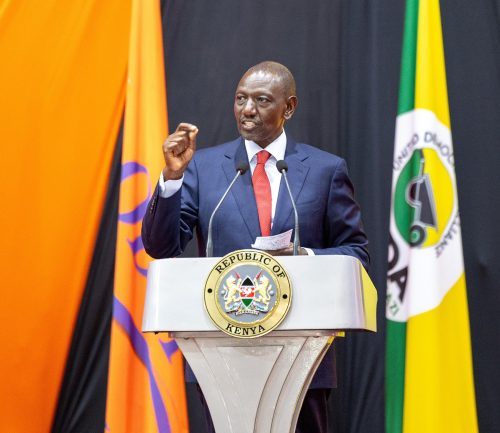
He spoke on Thursday, April 23, 2026, in Nairobi at the Africa We Build Summit, where Kenya hosted delegates for the opening of the Africa Finance Corporation’s first office outside its Lagos headquarters.
Ruto said the summit’s theme touches on one of the most critical issues facing Africa’s development. He warned that global shocks, including recent conflicts in the Gulf and the earlier war in Ukraine, have exposed the continent’s economic weaknesses.
“Africa today produces approximately 10 million barrels of oil per day, which is about 10 per cent of global output,” Ruto said. “Yet, paradoxically, we remain net importers of petroleum products to the tune of 120 million metric tonnes annually at a cost of about $90 billion.”
He used the figures to show the scale of the problem. At an average price of Ksh9,700 ($75) per barrel, Africa’s crude oil generates about Ksh34.94 trillion ($270 billion) each year. But Ruto said the continent loses far more by failing to refine its own resources.
“If we refined this oil domestically and sold the finished products at around $800 per tonne, revenue would rise to about $500 billion,” he said.
“That represents an extra income of about $250 billion, which is nearly 7.5 per cent of our GDP from just one resource.”
Value addition urged now
Ruto added that Africa could gain even more by investing in industries linked to oil. Products such as plastics and fertilisers, which the continent still imports, could contribute another 2 to 3 per cent of GDP if produced locally.
He said the issue goes beyond oil and reflects a wider structural imbalance in global trade.
“According to UN Trade and Development, the continent continues to export predominantly raw materials, minerals, jewels, and agricultural commodities, while importing the very products manufactured from those same resources,” he said.
In many African countries, more than 60 per cent of exports are still commodity-based. At the same time, the continent imports nearly three times more manufactured goods than it exports. Ruto noted that manufacturing has remained stuck at about 10 per cent of GDP for the past two decades.
“As long as this pattern persists, our growth will remain constrained, our economies will remain vulnerable, and our full potential will stay unrealised,” he warned.
Ruto urged African nations to change course by investing in local refining and manufacturing. He said value addition would create jobs, strengthen industries, and shield economies from external shocks.