Ruto assents to Supplementary Appropriations Bill 2026 amid concerns over govt expenditures
By Aloys Michael, April 8, 2026President William Ruto has assented to the Supplementary Appropriations Bill, 2026, signalling approval for an additional Ksh363 billion in government spending, surpassing the Treasury’s initial proposal of Ksh287 billion.
The signing ceremony took place at the State House on Wednesday, April 8, 2026, amid growing concerns over rising public debt and fiscal management.
The move will see the 2026/2027 national budget swell to Ksh4.6 trillion, drawing scrutiny from economists and citizens who have raised alarms over potential wastage and unsustainable borrowing.
The supplementary funds are intended to settle unpaid obligations in critical sectors, including education, health, and security, which have faced funding gaps in recent months.
Earlier, speaking on the rationale for the supplementary allocations, Budget Committee Chairperson Samuel Atandi said that the additional allocation is aimed at settling unpaid obligations in key sectors, including education, health, and security

“People are already employed, so we cannot stop paying their dues; we also had unforeseen events,” Atandi said.
The Teachers Service Commission (TSC) will see its budget rise by Ksh24 billion, taking its allocation to Ksh411 billion. The health sector will also benefit from an extra Ksh26 billion, increasing its total budget from Ksh138 billion to Ksh164 billion.
Security spending has witnessed the most significant hike, with an additional Ksh53 billion. The total security budget will now reach Ksh418 billion, with Defence receiving Ksh24 billion, the National Intelligence Service Ksh10 billion, and the National Police Service Ksh7.5 billion.
“Security challenges are there; they emerge each and every time there is sophistication in crime, and we must keep up,” he stated.
Despite the urgency of these allocations, critics have questioned adherence to proper budgetary procedures.
Several government departments have invoked Article 223 of the Constitution, which permits emergency spending without prior parliamentary approval, sparking calls from civil society and citizens for increased transparency and accountability in public finance.
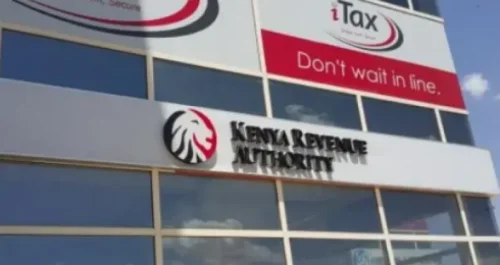
Atandi said the role of the Kenya Revenue Authority is to ensure that the supplementary spending does not overly burden taxpayers.
“We want KRA to use the money we have given them to improve systems,” he said.
Meeting the expanded Ksh4.6 trillion budget will require robust oversight and disciplined fiscal management to avoid ballooning debt.

Public scrutiny over government expenditures has intensified, with citizens demanding accountability, especially in sectors historically affected by mismanagement and delayed payments.
The supplementary budget, while aimed at addressing immediate obligations, is expected to remain a contentious issue as the 2026/2027 fiscal year progresses.
Analysts warn that without stringent monitoring, increased allocations may exacerbate debt levels, while supporters argue that the spending is necessary to sustain public services and maintain national security.
All eyes are now on the government’s revenue collection and efficiency to ensure that taxpayer money achieves its intended impact, as Treasury faces balancing urgent public needs against fiscal prudence, which is set to dominate Kenya’s budgetary discussions in the months ahead.