Rusia joins US-Ukraine peace talks for first time since war began
By Sky News, January 23, 2026The Kremlin has confirmed the first trilateral peace talks between the US, Ukraine, and Russia will take place in Abu Dhabi.
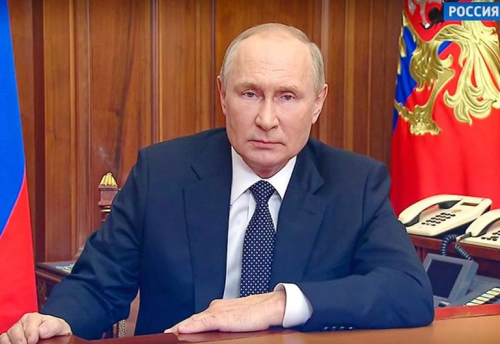
The confirmation of Russian attendance at the meeting was announced after Vladimir Putin met with Donald Trump’s peace envoy Steve Witkoff and son-in-law Jared Kushner in Moscow on Thursday, January 22, 2026.
The Kremlin described the four hours of talks as exceptionally substantive, constructive, and extremely frank and trusting, but also cast doubt over a breakthrough.
A statement reiterated a long-standing warning that there’s no prospect of a long-term settlement if territorial issues are not resolved, according to what the Kremlin said was agreed upon at last year’s Trump-Putin summit in Alaska.
Moscow added that Russia would continue on the battlefield until a diplomatic settlement is reached.
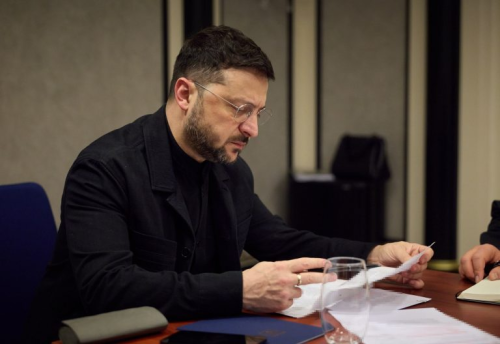
Ukrainian President Volodymyr Zelenskyy appeared to suggest the trilateral meeting was a last-minute idea from Washington that was only arranged after a meeting between him and Mr Trump on Thursday in Davos.
Kyiv said it would send its lead negotiator, Rustem Umerov and Mr Zelenskyy’s chief of staff, Kyrylo Budanov, while Moscow has said it will send Igor Kostyukov to head its team at the UAE-based security talks.
What was agreed at the Alaska summit?
While no deal was struck when Trump met Putin in Alaska in August, the two leaders are believed to have discussed the possibility of Ukraine giving up territory in exchange for an end to the fighting.
The Russian leader is said to have told the US president he wants the eastern Donetsk and Luhansk regions, even areas not seized by his forces.
Zelenskyy previously said Moscow wanted the rest of Donetsk – and in effect the entire eastern Donbas region – as part of a ceasefire plan.
He said Kyiv would reject such a proposal as it would deprive Ukraine of its crucial “fortress belt” defensive line, and open the way for Moscow to conduct further offensives.
Zelenskyy lashes out
The agreement on trilateral talks comes after Zelenskyy expressed frustration at Ukraine’s European allies and lashed out at them during a fiery speech in Davos.
In remarks that at times seemed reminiscent of Mr Trump’s attitude, he warned the continent about a never-ending “groundhog day” and accused countries of a lack of action.
“Just last year here in Davos, I ended my speech with the words ‘Europe needs to know how to defend itself’ – a year has passed, and nothing has changed,” he said.
Ursula von der Leyen, European Commission president, later hit back, “We’ve been supporting the heroic fight of the Ukrainian people for four years. I think on our side, actions speak louder than words.”
“We are the largest supporter of Ukraine. In the last four years, more than €193bn (£168bn), and the European Council has just decided to add to this sum another €90bn (£78bn) for the next two years,” she added
Zelenskyy’s speech came after a “positive” meeting with Mr Trump, with a peace plan “nearly ready”.
However, like Moscow, Kyiv is now focused on territorial disagreements and convincing the White House why Ukrainian red lines should prevail over Russian demands.
Zelenskyy left the Davos forum saying his country had clinched agreements on a new air defence package, and claimed Russia was suffering losses of 45,000 troops a month.