Advertisement
Ray of hope as malaria jab reduces child mortality
Wednesday 22nd November, 2023 03:31 AM|
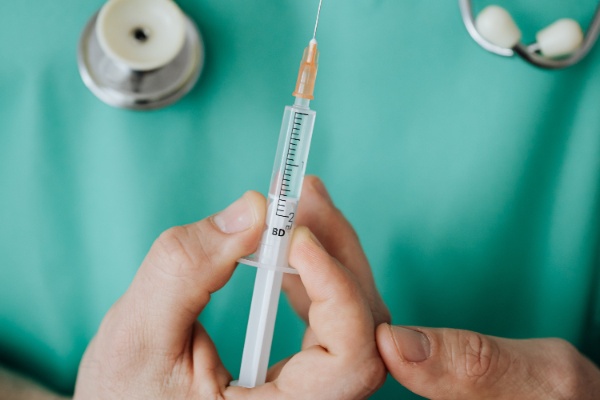
A ray of hope is in the offing towards the fight against malaria following the pilot implementation of the first malaria vaccine, which has posted a positive impact among children.
“Recent data shows a 13 percent reduction in all-cause mortality (excluding trauma) among children eligible for vaccination,” said Kate O’Brien, the Director of the Department of Immunisation, Vaccines and Biologicals at the World Health Organisation (WHO).
“Notably, this impact was achieved at 64-74 per cent coverage, previewing the likelihood of even greater impact as the coverage scales up.”
In a press release on the progress on how to prevent large-scale global outbreaks of vaccine-preventable diseases, she said the move would not only ease the health burden and suffering of children and their families but also translate to substantial cost savings in healthcare.
The progress in vaccine impact was registered in Kenya, Ghana, and Malawi where the pilot malaria vaccine implementation was undertaken to fight the mosquito-borne disease.
In Kenya, the Center for Disease Control and Prevention (CDC) reports that there are an estimated 3.5 million new clinical cases and 10,700 deaths each year, and those living in Western Kenya have an especially high risk of malaria.
Both vaccines (RTS, S/ASO1) which received WHO recommendations in 2021 are safe and effective in preventing malaria in children and, when implemented broadly, are expected to have a high public health impact.
Nearly half a million children die from the disease each year in the African region.
According to Dr O’Brien nine additional countries in sub-Saharan Africa are set to introduce the vaccine into their routine immunisation programmes beginning in early 2024 (Uganda, Burundi, Cameroon, the Democratic Republic of Congo (DRC), Liberia, Niger, Benin, Burkina Faso and Sierra Leone).
“With a WHO policy recommendation for a second malaria vaccine, R21/Matrix-M, now in place, additional countries are also planning for introduction, given the expectation for sufficient supply, once the R21/Matrix-M vaccine achieves WHO prequalification. Having vaccines against malaria is a testament to the power of innovation and global collaboration in the fight against malaria.”
In global healthcare, Dr O’Brien also revealed that concerted efforts are witnessed in the prevention of cervical cancer due to the growing momentum of human papillomavirus (HPV) vaccination programmes.
Author
Latest News





Advertisement
More on News