Phoebe Asiyo’s body to depart Nairobi for burial in Karachuonyo
By Arnold Ngure, August 7, 2025The body of the late former Karachuonyo MP Phoebe Asiyo is set to depart Nairobi for burial at her Wikondiek home in Karachuonyo.
Asiyo, who died on July 17, 2025, is set to be buried on Friday, August 8, 2025, in a ceremony that will attract politicians across the country.
According to a statement released by her family on Thursday, July 17, 2025, Asiyo passed away peacefully in her sleep while in North Carolina, USA.
Died in sleep
“With heavy hearts, the Asiyo family shares the profound loss of our cherished mother, Hon. Dr. Phoebe Muga Asiyo, who has peacefully passed away in North Carolina, USA. Her presence and love will be deeply missed by all who knew her,” the statement read in part.
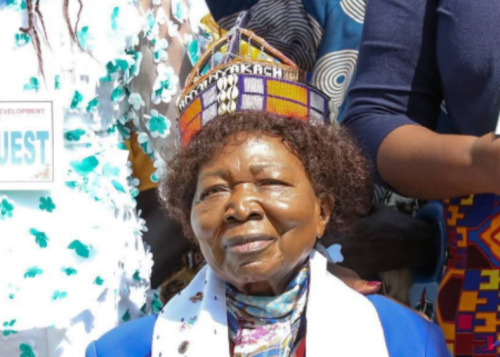
Asiyo became one of the first elected women MPs in Kenya, at a time when politics was dominated by men.
She served two terms as an MP for Karachuonyo constituency before settling into advocacy and women’s rights movements.
Preparations in top gear
On Wednesday, August 6, 2025, preparations for her funeral were in top gear, where leaders, including Nairobi Woman Representative Esther Passaris, Suba North MP Millie Odhiambo, Homa Bay Senator Moses Kajwang’, and Karachuonyo MP Adipo Okuome, finalized the arrangements for her interment.
In a statement on Thursday, August 7, 2025, Passaris indicated that Asiyo’s body will depart Nairobi ahead of the burial on Friday.
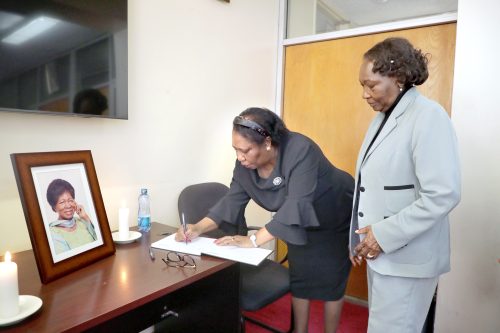
“Yesterday, we gathered at Nairobi Central SDA Church to pay our last respects to Hon. Dr. Phoebe Asiyo, a woman who mentored a nation. Today, her body departs for her home in Wikondiek Village, where a night vigil will be held. The funeral service will take place tomorrow,” Passaris said.
Born in 1932 in Kendu Bay, Homa Bay County, to a Seventh-Day Adventist pastor, Asiyo rose from modest beginnings to become one of Kenya’s most influential voices for women and justice.
She broke ground as the first African woman to head Kenya’s prison system as Senior Superintendent of Prisons, where she introduced reforms to improve conditions for female inmates, including access to sanitary care.
She also became the first African president of Maendeleo ya Wanawake in the 1950s, setting a strong foundation for women’s empowerment across the country through education, leadership, and economic development.