Advertisement
Nakhumicha vows better care for sickle cell victims
Thursday 14th September, 2023 07:40 AM|
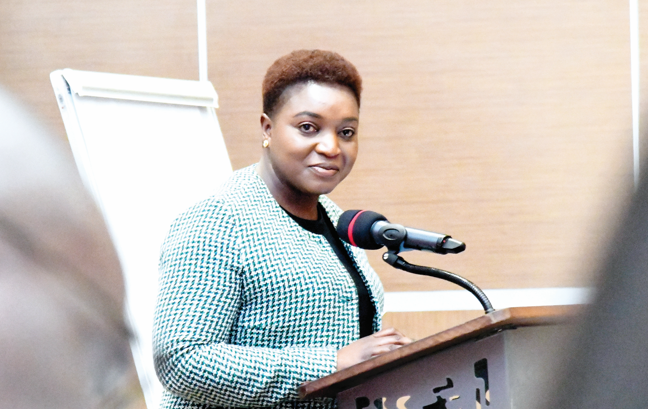
The government yesterday unveiled a programme to curb the increase in cases of Sickle Cell Disease (SCD) and improve care for patients.
Health Cabinet Secretary Susan Nakhumicha said the burden of the genetic disorder is not just physical but also emotional and economic.
She said the programme will help address the problem which had been more common in a few counties, but had increasingly become prevalent in other parts of the country.
The Sickle Cell Disease Afya Dhabiti Project, a partnership between the Ministry of Health, Academic Model Providing Access to Healthcare (AMPATH) and the Non-Communicable Diseases Alliance, Kenya (NCD- Alliance, Kenya), aims to advance the care of sickle cell patients in Kenya.
“This project represents a crucial step forward in our collective mission to address the challenges faced by individuals and families affected by sickle cell disease in our country,” Nakhumicha said in a statement read on her behalf by deputy Director-General in charge of medical services Dr Zeinab Gura at Mbagathi Sub-County Hospital yesterday.
Initially, the disease had been endemic in 17 counties in Western Kenya, Nyanza and the Coast.
Fifth birthday
But today, there are increasing cases in other parts of country, a situation the government has attributed to migration and intermarriages.
“In the absence of routine newborn screening and appropriate treatment, it is estimated that 50-90 per cent of those born with the condition die undiagnosed before their fifth birthday in Sub-Saharan Africa,” Nakhumicha noted.
Every year, at least 240,000 children in Africa are born with Sickle Cell Disease.
In Kenya, it is estimated that 14,000 children are born with the disease annually.
Objectives
“The stories of those living with sickle cell disease and their families reveal a daily struggle marked by pain, stigma and limited access to comprehensive care,” the CS said, noting that the implementation of the project is expected to change this narrative and significantly improve the quality of life for patients.
“Today, we come together as a united front, recognizing that the time for change is now,” Nakhumicha said.
The project, she said, was driven by a set of clear and ambitious objectives.
“Together, we aim to transform the landscape of Sickle Cell care in Kenya,” she said.
The Health CS said the first objective is to raise awareness about the disease.
“It is imperative that we challenge the low level of knowledge in the population. Through educational campaigns, use of community health promoters and sickle cell champions, we will empower the community with accurate information to enhance screening and foster understanding and empathy,” she said.
Nakhumicha said early diagnosis and appropriate treatment is the key to effective sickle cell care.
The project to be implemented by AMPATH and NCD- Alliance, Kenya has a training component to ensure more people get timely diagnosis and appropriate care.
Further, the project seeks to lower the cost of Hydroxyurea, an essential medicine for treatment of the disease.
The Ministry is also advocating for increased financing for Sickle Cell interventions both at national and county levels.
Author
George.Kebaso
View all posts by George.KebasoLatest News








Advertisement
More on News
