Advertisement
Muktan grazing scheme restores peace to Laikipia and Baringo
Saturday 04th July, 2026 10:57 AM|
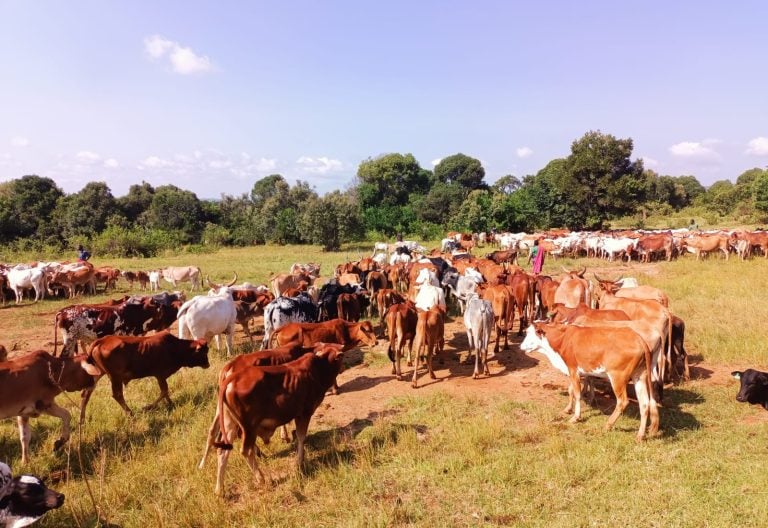
For years, life in Muktan, a pastoral region straddling the border of Laikipia and Baringo counties, was defined by fear.
Competition over grazing land and water frequently erupted into conflict as pastoralists searched for pasture during prolonged dry spells.
Livestock often strayed into farms, destroying crops, while cattle raids left families mourning loved ones and counting heavy losses. Schools were disrupted, livelihoods were shattered, and neighbours who had lived side by side became rivals.
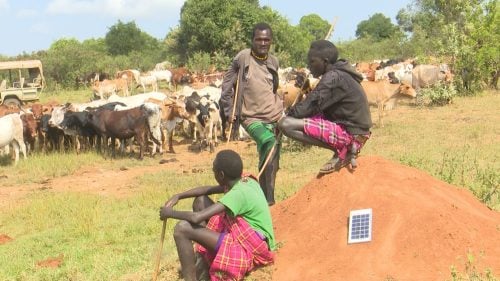
Across the vast grazing fields of Muktan, cattle belonging to different communities graze peacefully alongside one another. Herders who once regarded each other with suspicion now share meals, sleep in the same camps, and work together to care for their livestock.
You Might Also Like


Speaking to People Daily Digital on Friday, July 3, 2026, residents say the transformation has been driven by the Muktan Community Grazing Scheme, an initiative that has become as much about building peace as it is about improving livestock production.
Bold experiment in unity
For Joseph Kipkulei, a resident of Cheru, the grazing scheme has helped heal wounds that once seemed impossible to mend.
“Before this programme, there was constant conflict between communities,” Kipkulei recalled.
“Livestock would stray into farms, crops would be destroyed, and people would live in fear. We lost property, some families even lost their children, and schools were affected because of the insecurity,” Kipkulei noted.
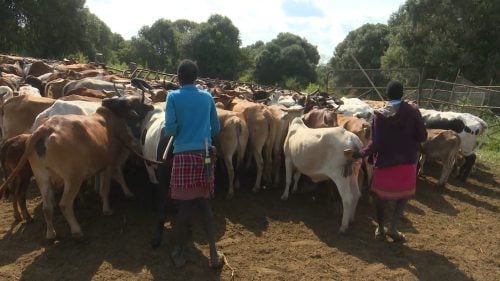
The turning point came when neighbouring communities agreed to jointly manage the grazing scheme.
“Today we know each other. We work together, solve problems together and have realised that living peacefully is more important than fighting,” he added.
He believes the project has achieved what countless peace meetings struggled to accomplish by giving communities a common purpose.
The impact is evident not only in stronger relationships but also in healthier livestock.
According to Josphat Kirui, manager of the Muktan Community Grazing Scheme, the project currently supports around 7,000 cattle, with the number expected to increase to nearly 9,500 as more livestock owners register their animals.
“The animals have enough pasture, clean water and regular veterinary care,” Kirui said.
Healthier livestock has translated into stronger household incomes. Families are now able to pay school fees, meet daily household expenses, and improve their livelihoods through the sale of well-conditioned animals. A livestock fattening programme has further boosted earnings by enabling farmers to sell bulls after several months of structured feeding and care.
Enemies became neighbours
While improved livestock production is an important outcome, Kirui believes the programme’s greatest achievement is restoring peace.
“The biggest source of conflict used to be pasture. Now the pasture is available here, and those conflicts have reduced significantly,” Kirui said.
The grazing scheme regularly convenes representatives from participating communities to resolve emerging issues before they escalate into disputes.
The result is a level of trust that would have been unimaginable just a few years ago.
“The herders graze together, eat together, sleep in the same place and talk freely. That interaction has strengthened relationships and built trust,” he added.
Communities that once competed over scarce resources are now working together to protect them.
The benefits have also extended beyond pastoralists. Crop farmers no longer live in constant fear of livestock invading their farms because designated grazing areas have significantly reduced encroachment onto agricultural land.
A Community Reborn
For community elder Lukai Lolem, peace has transformed daily life in ways that statistics alone cannot capture.
“Our livestock are healthier, they have increased in number, and they are well-fed. But what makes us happiest is that we now have peace,” Lukai observed.
He says the programme has fundamentally changed relationships among residents.
“We live together, eat together and support one another. There are no more divisions among us,” he said.
Those simple words reflect a profound transformation in a region once synonymous with tension, mistrust and recurring conflict.
Today, families are investing in their futures instead of living in fear. Parents are keeping their children in school, livestock owners are earning better incomes, and communities are rebuilding friendships that had been fractured for years.
Lesson for Kenya’s drylands
As climate change continues to intensify pressure on grazing land and water resources across Kenya’s arid and semi-arid regions, Muktan demonstrates that lasting peace is not always forged in boardrooms or negotiated at high-level conferences.
Today, the loudest sound across Muktan is no longer the fear of conflict.
It is the gentle ringing of cowbells, a reminder that where communities once fought over grass, they now share both the pasture and the promise of a more peaceful future.
Author
Latest News








Advertisement
More on News