More than 700 Laikipia residents receive Ksh243.3M in wildlife conflict compensation
By People Daily Digital Reporter, June 27, 2026More than 700 residents of Laikipia County have benefited from the government’s human-wildlife conflict (HWC) compensation programme, receiving a total of Ksh243.3 million since 2023 in efforts to cushion families affected by wildlife-related incidents.
The figures were disclosed by the director of administration at the State Department for Wildlife, Vincent Ongere, on Friday, June 26, 2026, during a compensation cheque disbursement ceremony held at Endana in Laikipia County.
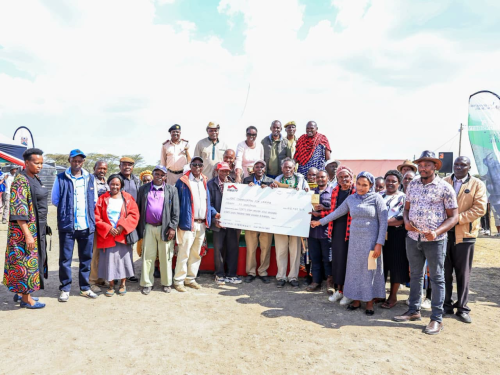
During the event, 106 beneficiaries received compensation cheques worth Ksh24.9 million for losses resulting from human-wildlife conflict, including livestock attacks, crop destruction, injuries and fatalities caused by wild animals.
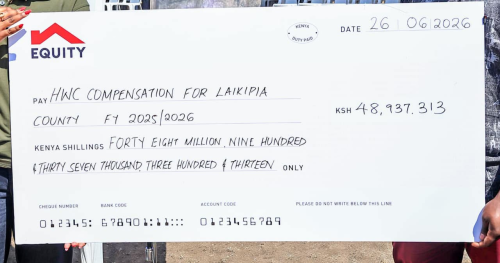
Ongere said the government remains committed to clearing pending compensation claims, revealing that an additional 167 beneficiaries are set to receive Ksh48.9 million later this year.
“The government is steadily addressing compensation claims to ensure victims of human-wildlife conflict receive the support they deserve,” Ongere said.
MP Korere hails compensation exercise
Laikipia North MP Sarah Korere welcomed the compensation exercise, describing it as long overdue for many families that have endured losses over the years. She urged residents whose claims are yet to be settled to remain patient, noting that the ministry is working through a significant backlog of compensation applications accumulated over time.
Korere also challenged the Kenya Wildlife Service (KWS) to strengthen mitigation measures aimed at reducing human-wildlife conflict, saying compensation alone cannot provide a lasting solution without measures that protect both communities and wildlife.
Laikipia County KWS boss Wellington Gathungu urged residents seeking compensation to promptly report wildlife incidents and cooperate with wildlife officers during investigations to facilitate a transparent and efficient claims process.
Govt’s commitment to compensation
Meanwhile, Principal Secretary for Wildlife Sylvia Museiya said the ministry is shifting its approach from merely responding to human-wildlife conflict to addressing the underlying causes of the persistent clashes between communities and wildlife.
In a statement following engagements in Laikipia and Kajiado counties, Museiya said the State Department for Wildlife had intensified efforts to promote peaceful human-wildlife coexistence through community engagement, compensation and conservation partnerships.
She confirmed that in Endana, Segera Ward, Laikipia North Constituency, the State Department joined leaders and residents in supporting victims of wildlife attacks, with 167 claimants receiving compensation totalling Ksh48,937,213. Museiya said the compensation reflects President William Ruto’s administration’s commitment to supporting affected families, restoring livelihoods and promoting coexistence between people and wildlife.
The PS also highlighted a similar exercise in Kajiado County, where 187 human-wildlife conflict claimants received compensation amounting to Ksh49,879,276, describing it as another milestone in cushioning communities living alongside wildlife.
Museiya emphasised that sustainable conservation can only succeed when local communities are placed at the centre of wildlife management and benefit-sharing initiatives.
“Our goal is to transition from simple conflict management to addressing the root drivers of human-wildlife conflict. Conservation cannot thrive without integrating communities at the heart of it,” she said.
She also commended the National Government Administration Officers (NGAOs) for their role in coordinating community engagements, saying their collaboration has been instrumental in ensuring successful compensation exercises and conservation outreach programmes.
Laikipia remains one of Kenya’s leading human-wildlife conflict hotspots due to its proximity to major wildlife conservation areas. Communities frequently experience crop destruction, livestock attacks, injuries and, in some cases, fatalities caused by wild animals.
The government’s compensation programme is intended to ease the financial burden on affected families while complementing broader efforts to reduce human-wildlife conflict and foster sustainable coexistence between communities and wildlife.