Matiang’i explains origin of consistent land tussles in Narok’s borders
By Aloys Michael, April 30, 2026Former Interior Cabinet Secretary Fred Matiang’i has weighed in on the persistent land disputes along Narok’s borders, blaming governance failures, political greed, and unchecked commercial interests for the long-running conflicts that continue to disrupt communities and development in the region.
Speaking during a local radio interview on Thursday, April 30, 2026, Matiang’i said the region is struggling under competing interests, where land, tourism, and natural resources have become flashpoints for conflict.
“The challenges that the people of Narok know nothing about… the construction of hotels and interference with the migration corridor, the destruction of the environment and so on, water catchment areas… and then of course land grabbing,” he said.
He argued that the root cause of the land tussles is not only historical boundary ambiguity but also what he termed ‘tokenism’ and the misuse of political power for personal gain.
“It is driven by tokenism and this attitude where politics and political office have become an opportunity for enrichment and self-aggrandisation,” Matiang’i said, adding that the situation has undermined the rights of local communities.
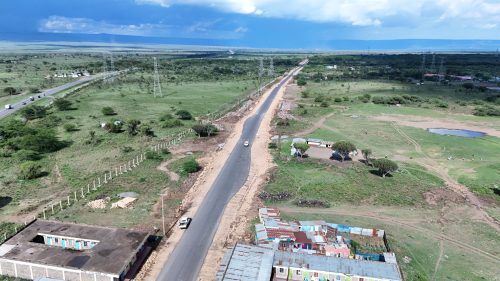
According to him, some of Kenya’s most resource-rich regions, including Narok, have failed to translate their natural wealth into meaningful development due to poor leadership and corruption.
“First places in the country would elicit and inspire phenomenal development, but selfish politics has completely undermined the rights of these people,” he noted.
Land, tourism, and migration corridors under pressure
Narok County, home to part of the Maasai Mara ecosystem, has for years faced tensions linked to land ownership, wildlife migration routes, and tourism investments.
Matiang’i warned that unchecked construction of hotels and settlements within sensitive ecosystems is worsening conflicts between investors, local communities, and conservation interests.
He specifically pointed to interference with wildlife migration corridors and water catchment areas as key drivers of environmental degradation and land-related disputes.
“The construction of hotels and interference with the migration corridor, the destruction of the environment and so on, and water catchment areas,” he stated, adding the strain on natural systems that sustain both tourism and pastoral livelihoods.
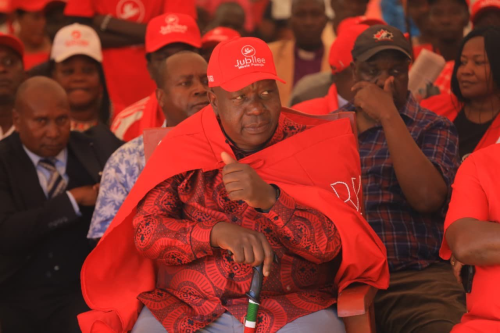
Moreover, the Jubilee Deputy party leader criticised how resources in Narok are managed, suggesting that weak oversight has allowed speculation and exploitation in sectors such as geothermal energy, mining, and tourism concessions.
He referenced broader concerns about how investors and briefcase companies have accessed lucrative licenses without delivering tangible benefits to local communities.
In the interview, he noted that improved governance could transform Narok into one of Kenya’s most prosperous counties.
A study he cited during the discussion suggested that with proper management, Narok could potentially lift itself out of poverty within a generation due to its strong tourism base, agricultural potential, and renewable energy resources.
However, he lamented that mismanagement has instead left many residents trapped in poverty despite the county’s wealth.
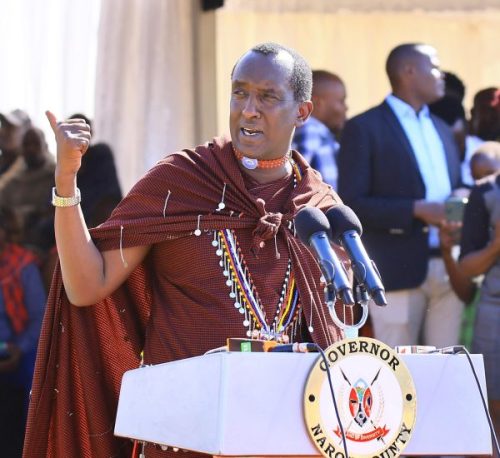
Narok’s bane?
The remarks come at a time when Narok County continues to grapple with infrastructure gaps, unemployment, and service delivery concerns. Residents in various wards have recently protested poor road conditions, inadequate healthcare supplies, and water access challenges.
At the same time, disputes over revenue from the Maasai Mara, expansion of tourist camps, and land allocation have intensified political divisions within the county leadership.
Matiang’i’s comments add to the ongoing national debate about land governance in Kenya, particularly in high-value regions where conservation, tourism, and community land rights often collide.
He emphasised that without stronger accountability systems, Narok’s land disputes will persist, fueling inequality and undermining development.
“The rights of these people have been completely undermined,” he warned, calling for reforms in how political office and public resources are managed.