Advertisement
Maraga: Education sector in crisis under Ruto’s govt
Thursday 15th January, 2026 08:36 AM|

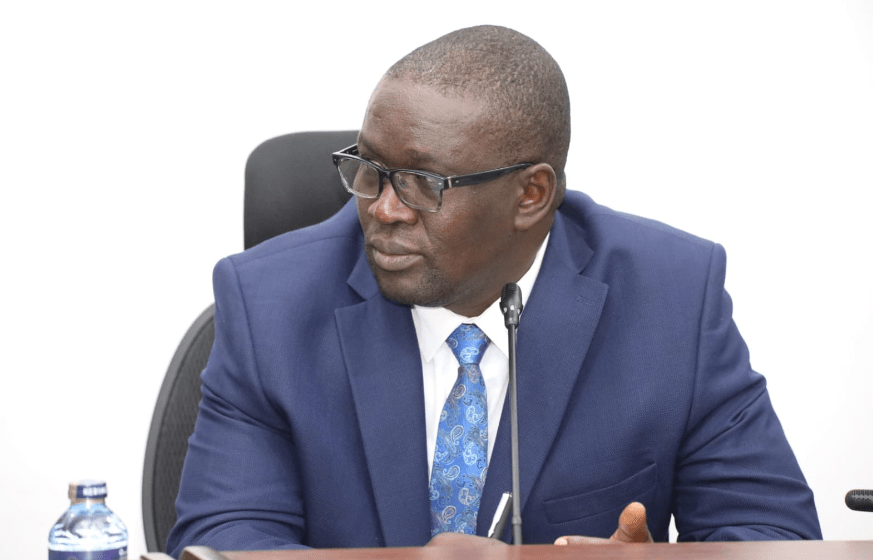
Former Chief Justice and 2027 presidential candidate David Maraga has criticised President William Ruto’s administration, describing Kenya’s education sector as being in a deep crisis.
He pointed to chaotic transitions between education levels, severe teacher shortages, declining education quality, and persistent infrastructure gaps.
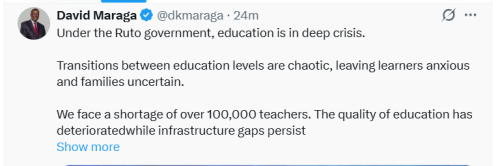
In a post on X on January 15, 2026, Maraga said, “Under the Ruto government, education is in deep crisis. Transitions between education levels are chaotic, leaving learners anxious and families uncertain. We face a shortage of over 100,000 teachers. The quality of education has deteriorated while infrastructure gaps persist across the country. We have a better plan on education.”
The remarks follow a January 14, 2026, briefing at United Green Movement (UGM) headquarters, where Maraga, the party’s presidential flag bearer, outlined his proposed reforms. He framed his vision around an “Okatiba government”, emphasising the rule of law and constitutional principles.
Focus on funding and teacher welfare
You Might Also Like
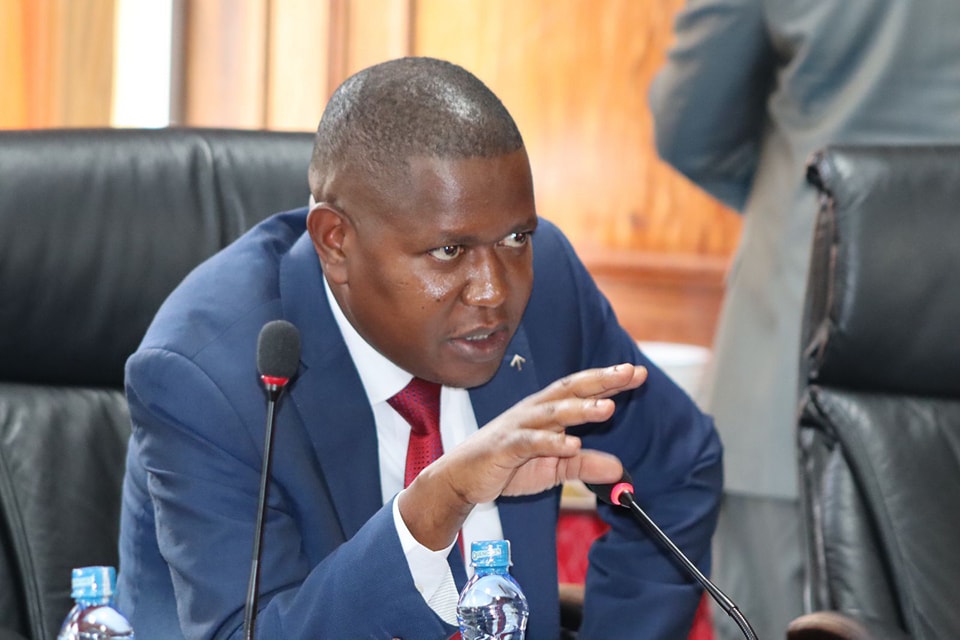
Maraga stressed that education is a national duty and a constitutional right, pledging to redirect public funds to directly benefit learners rather than officials. “And a national duty under an Okatiba government public funds will follow learners’ needs, not the greed of officials.
Education financing will be transparent, predictable and accountable. Management for children will reach classrooms, not disappear into bureaucracy and patronage networks,” he said.
He highlighted the challenges faced by overstretched teachers, who are often excluded from reform discussions. Maraga vowed to restore dignity to the profession through adequate and timely pay, saying motivated educators are essential for a functioning education system.
Infrastructure and reform challenges
The UGM presidential candidate pointed to overcrowded classrooms, citing examples like Dandora, where some classrooms hold up to 160 pupils, and inadequate labs and learning materials. Some children continue to study under trees.
He attributed these gaps to poor governance, entrenched corruption, and misplaced priorities, noting that a child’s success is often determined by family income, location, disability, or gender.
Maraga also criticised rushed reforms, including the Competency-Based Curriculum (CBC), which he said lacked preparation and public buy-in. He maintained that Kenya has the resources to fund quality education but loses them to corruption and waste.
Through his campaign, Maraga has pledged to prioritise integrity, accountability, and equal opportunity, ensuring that every child can access quality education regardless of background.
Author
Latest News
Advertisement
More on News