Advertisement
Lessons for FOCAC from China-ASEAN strategy on strengthening common, sustainable development
Monday 14th November, 2022 12:00 AM|
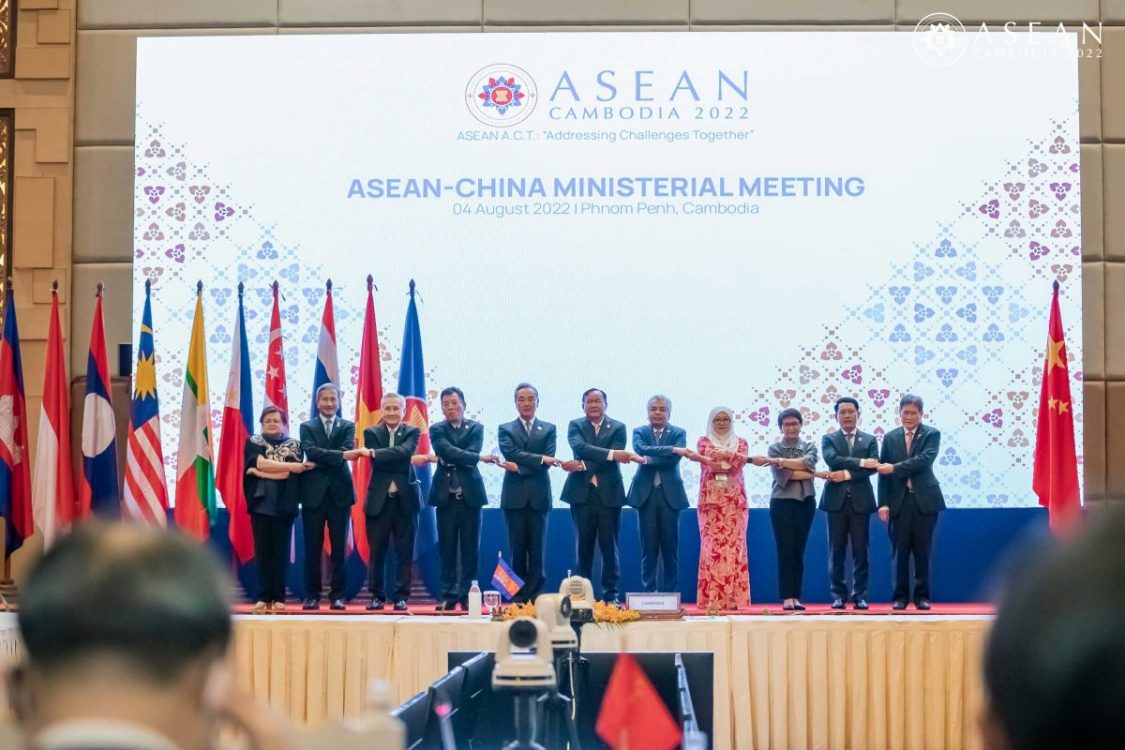
The 25th China-Association of Southeast Asian Nations (ASEAN) Summit was held in Phnom Penh, Cambodia from November 11 to 13. Following the meeting, the two partners released a joint statement in which they spelt out a joint strategy on the way forward.
The statement is an ideal example of the kind of partnership that the Forum on China-Africa Cooperation (FOCAC) should strive for. Although Africa and Asia have different social and cultural backgrounds, they are both developing entities that have benefitted immensely from Chinese partnership.
But while ASEAN and FOCAC were launched years apart, 2015 and 2006 respectively, the former seems to have grown more. China-ASEAN partnership has leveraged on initiatives like the Global Development Initiative (GDI) and the Belt and Road Initiative (BRI).
It has been a difficult journey though. The two partners have suffered from increasingly complex and cross-cutting challenges arising from geopolitical shifts, protectionism, complex transnational threats, climate change and rapid technological change These have been exacerbated by the COVID-19 pandemic and its adverse impact on our peoples’ lives as a whole.
During the recently ended summit, the duo reaffirmed their commitment to development and giving priority to development undertakings. They also agreed to deepen cooperation through extensive consultation and joint efforts so as to build a meaningful, substantive and mutually beneficial and sustainable China-ASEAN Comprehensive Strategic Partnership.
The partners said they would cooperate in infrastructure development, accelerate the implementation of the China-ASEAN Joint Statement on Synergizing the Master Plan on ASEAN Connectivity 2025 and the BRI, enhance connectivity between ASEAN and China, facilitate cross-border travel and trade, and promote people-to-people exchanges
The two will cooperate in four priority areas, namely, maritime cooperation, connectivity, United Nations Sustainable Development Goals 2030, and the economy. They agreed to promote mutually beneficial cooperation in the BRI, explore development cooperation with the GDI to complement the realisation of ASEAN Community Vision 2025, support ASEAN community-building process, and further strengthen existing ASEAN led-mechanisms.
They will promote cooperation on the Fourth Industrial Revolution and digital transformation, including smart manufacturing and green industrialisation, jointly explore the building of economic corridors and demonstration zones for international industrial capacity cooperation.
The partners will implement the China-ASEAN Plan of Action for a Closer Partnership of Science, Technology and Innovation for Future (2021-2025) to expand cooperation on science, technology and innovation. They agreed to pursue the China-ASEAN Year of Digital Economy Cooperation, further enhance cooperation in e-commerce, smart city development, artificial intelligence, micro, small and medium-sized enterprises. They agreed to build human capital development in digital technology and application, digital transformation, and cyber security, to grow the digital economy and promote women’s entrepreneurship.
They will also strengthen cooperation in the development and application of new and emerging energy technologies, mobilise green investment/financing, capacity building, and promote the just transition of energy and upgrading of industrial structures. They welcomed the establishment of the China-ASEAN Clean Energy Cooperation Center, achieving low-carbon economic development as well as green and sustainable growth.
They also welcomed the official launch of negotiations on further enhancing the China-ASEAN Free Trade Area, support the full and effective implementation of the Regional Comprehensive Economic Partnership. They decided to make full use of the China International Import Expo, China-ASEAN Expo, China-ASEAN Business and Investment Summit and other platforms to support ASEAN exports to China.
They committed themselves to strengthening cooperation in public health by implementing initiatives such as the Program on Public Health Emergency Preparedness Capacity, while working towards finalising the China-ASEAN Memorandum of Understanding on Health Cooperation.
They agreed to strengthen cooperation in disaster risk reduction and management, and implement the China-ASEAN Work Plan on Disaster Management 2021-2025. The two will also support regional production and the unimpeded supply of key materials such as food, vaccines and medical supplies.
They committed to protecting and improving people’s livelihoods through promoting sustainable and inclusive development, and to continue carrying out exchange of activities and pilot projects such as China-ASEAN Social Development and Poverty Reduction Forum and Village Leaders Exchange Program aiming at enhancing social development, poverty reduction, and regional food security.
The summit took note of China’s initiative to set up a special loan for ASEAN and China’s common development, and encourage the further use of the ASEAN-China Cooperation Fund in promoting practical cooperation. They also encouraged global and regional financial institutions such as the World Bank, the Asian Infrastructure Investment Bank, and the Asian Development Bank to provide more development resources to the region.
Finally, the partners agreed to carry out capacity-building and experience-sharing activities between think tanks from both sides in order to support policy making, including but not limited to circular economy and sustainable development.
Author
PD columnist
View all posts by PD columnistLatest News








Advertisement
More on News