Advertisement
Lake Nakuru rising water levels trigger endangered bird migration
Thursday 25th August, 2022 11:00 AM|
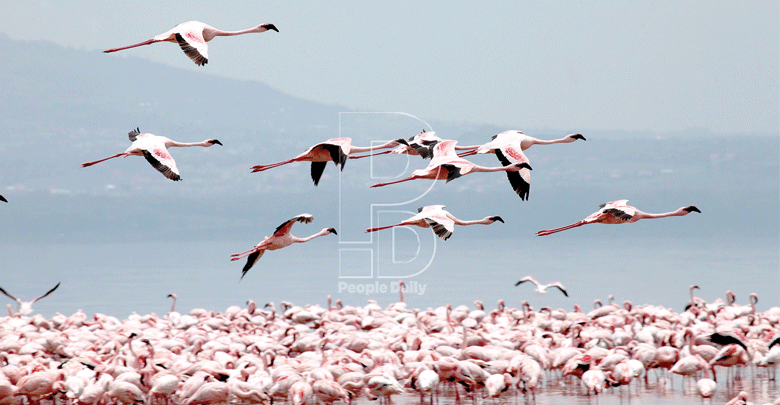
The rising water levels at Lake Nakuru and habitat degradation have resulted in the migration of various species of birds from the world-famous park affecting the tourism sector in the county.
According to the deputy park warden Caroline Mwebia, climate change, destruction of the lake’s catchment by human activities, pollution and predation have emerged as the biggest threats to endangered birds’ existence and their nesting sites.
Species threatened with extinction at Lake Nakuru National Park and bird sanctuary include Lesser and Greater flamingoes, Gray Crowned-Crane, White-barked Vulture and Ruppell’s Griffon.
Other birds that are now considered vulnerable include Abyssinian Thrush, White-headed Vulture, Lappet-faced Vulture, Greater Spotted Eagle and Imperial Eagle.
Maccoa Duck, Lesser Flamingo, Black-tailed Godwit, Great Snipe, Bateleur, Crowned Eagle, Pallid Harrier, European Roller, Sooty Falcon and Gray-crested Helmet shrike have also been classified as near threatened species.
“The challenges facing the birds have been aggravated by the fluctuation of lake water levels,” said Mwebia.
In a media briefing, Mwebia observed that increased inflow of fresh water into the lake had altered its alkalinity which has, in turn, reduced volumes of algae that flamingoes and other migratory birds feed on resulting in migrations of the birds to Lake Natron in Tanzania to breed.
The deputy park warden indicated that the migration of flamingos both greater and lesser from Lake Natron to Lake Nakuru and other saline Lakes such as Bogoria and Elementaita peaks from April to June.
She added that the unpredictable weather patterns affect the migration of flamingos from Tanzania to Kenya saying that curbing lake pollution and educating the people.
Author
Latest News








Advertisement
More on News