KWS confirms death of lion after attack by mother hippo in Maasai Mara
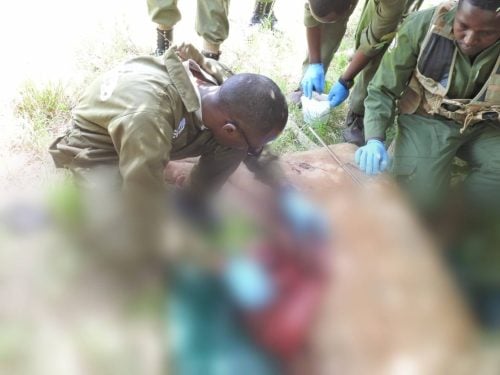
By Cynthia Lodite, April 13, 2026The Kenya Wildlife Service has confirmed the death of an 11-year-old male lion from the Masai Mara ecosystem, believed to have been preyed on a baby hippo.
In a statement by the Kenya Wildlife Service official X account on Monday 13,2026, the Service confirmed the sequence that led to the attack.
The lion, which was named Kiminati, is believed to have died after a fierce retaliatory attack from the mother hippo.
“The Kenya Wildlife Service confirms the death of an 11-year-old male lion, Kiminati, from the Masai Mara ecosystem. The lion is believed to have preyed on a baby hippo, triggering a fierce retaliatory attack from the mother,” KWS said.
Despite the resilience lions are known for, KWS noted that the injuries sustained were severe and ultimately fatal. This incident is a powerful reminder of the realities of life in the wild.
According to the Kenya Wildlife Service, while addressing the challenges encountered by the animals, KWS noted that survival in nature is never guaranteed since every hunt carries risk.
Also adding that even the most dominant predators can become vulnerable in an instant.
At the same time, KWS has explained that encounters between powerful species such as lions and hippos are often intense and unpredictable, reflecting the delicate balance that governs our ecosystems.
“Survival in nature is never guaranteed—every hunt carries risk, and even the most dominant predators can become vulnerable in an instant. Encounters between powerful species such as lions and hippos are often intense and unpredictable, reflecting the delicate balance that governs our ecosystems,” KWS explained.
Reflecting on the loss of Kiminati, KWS has detailed how wildlife faces constant challenges from territorial battles and dangerous predators to environmental pressures.
“As we reflect on this loss, we are reminded that wildlife faces constant challenges—from territorial battles and dangerous prey to environmental pressures. It is a testament to the raw, untamed beauty of nature, where every day is a fight for survival,” KWS noted.
In addition, KWS has affirmed that it remains committed to monitoring and protecting our wildlife, while allowing natural processes to take their course in these ecosystems.