KUCCPS placement results: Common scams targeting students seeking university admission
By Sharon Atieno, July 11, 2026The release of the 2026 Kenya Universities and Colleges Central Placement Service (KUCCPS) placement results has brought relief to thousands of students and parents. However, it has also opened a window for fraudsters who exploit the anxiety surrounding university admissions to steal money and personal information.
Education Cabinet Secretary Julius Ogamba announced that 293,869 students had been placed in universities and colleges for the 2026/27 academic year, with successful applicants expected to begin reporting to their institutions from September 2026. As students rush to confirm placements, download admission letters and apply for government funding, cybercriminals are becoming increasingly active.
Fake KUCCPS and university websites
One of the most common scams involves fake websites designed to resemble the official KUCCPS portal or university websites. Students are lured through social media links or sponsored advertisements promising quicker access to placement results or admission letters.
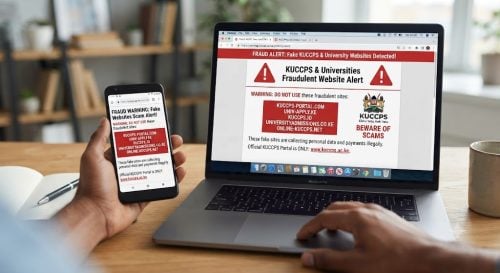
These websites often ask users to enter their KCSE index numbers, passwords or mobile money details, exposing them to identity theft and financial fraud.
Students should only access placement services through the official KUCCPS portal and the official websites of their assigned institutions.
Fraudsters promising course changes
Another growing scam targets students dissatisfied with their placements. Fraudsters claim they have connections within KUCCPS or universities and promise to secure medicine, engineering, law or other competitive courses in exchange for “facilitation fees.”
KUCCPS has consistently maintained that placements are determined through an automated system based on merit, candidates’ course choices and institutional capacity. Transfers and programme changes follow official procedures announced by the placement agency and do not require payments to individuals.
Beware of fake funding agents
Scammers are also taking advantage of students applying for Higher Education Financing (HEF) loans and scholarships. They send fake messages requesting registration fees or claiming they can guarantee approval for financial aid.
Students should remember that government funding applications are processed through official government platforms, not private agents.
The latest placement cycle also introduced revised admission criteria, including changes to programme clusters and expanded career pathways for students taking technical subjects, making it even more important for applicants to rely on verified information.
With thousands preparing to join universities and colleges, the safest approach is simple: verify every message, avoid making payments to unknown individuals and use only official KUCCPS, university and government communication channels. A few minutes spent confirming information can save students from losing money, personal data and opportunities at the beginning of their higher education journey.