Kenya working to repair strained relations with Serbia after Kosovo recognition row
By Martin Oduor, May 14, 2026Kenya is working to mend its diplomatic relationship with Serbia following a sharp fallout triggered by Nairobi’s recognition of Kosovo, Principal Secretary for Foreign Affairs Korir Sing’oei has said.
Speaking during a televised interview on Wednesday night, May 13, 2026, Sing’oei sought to calm concerns over the escalating tensions, confirming that discussions were underway aimed at restoring cooperation, including scholarships that were suspended by Belgrade in response to Kenya’s decision.
“We are in discussion with Serbian authorities with a view to the restoration of the scholarships that may have been lost,” Sing’oei said.
“We remain very engaged to ensure that this longstanding relationship can continue to flourish.”
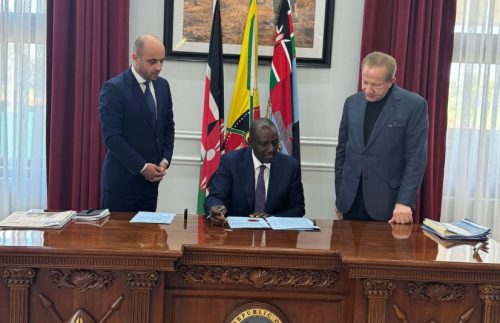
The diplomatic strain emerged after President William Ruto signed a decision formally recognising Kosovo as an independent state, making Kenya one of the more recent countries to take that position in a highly sensitive global dispute.
Belgrade reacted angrily, with the Serbian government issuing a formal protest through its ambassador to Nairobi, Danijela Čubrilo Martić, describing the move as an “unacceptable and unfriendly act.”
Serbia also accused Kenya of violating international law and breaching UN Security Council Resolution 1244, which it argues affirms its sovereignty over Kosovo.
While Serbia stopped short of severing diplomatic ties entirely, it moved swiftly to suspend elements of bilateral cooperation, including scholarship programmes and planned economic and youth exchanges.
Serbia’s move has affected students and halted several ongoing institutional engagements.
Sing’oei, however, downplayed fears of a total breakdown in relations, stressing that diplomatic channels remain open and engagement is ongoing.
Analysts say the dispute reflects the delicate balancing act Kenya faces as it recalibrates its foreign policy and expands its global partnerships, particularly with Western allies who broadly support Kosovo’s independence.
Despite the tension, Sing’oei insisted that Kenya remains committed to maintaining constructive relations with Serbia while navigating the diplomatic consequences of its new position.
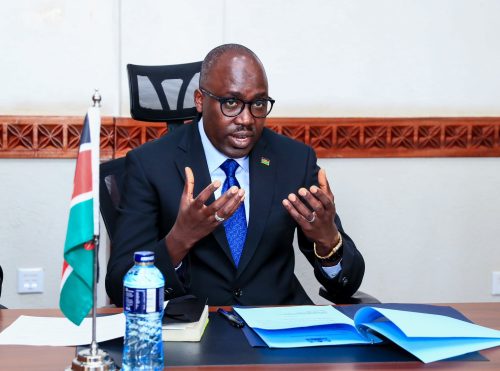
“We are very engaged,” he reiterated, signalling Nairobi’s intention to prevent the row from escalating into a long-term rupture.
For now, both sides appear to be holding the line short of a full diplomatic break — but the fallout underscores how quickly recognition disputes can ripple into education, trade, and broader international cooperation.
The ongoing tension between Kosovo and Serbia is rooted in sovereignty, ethnic identity, and regional control.
The core issue stems from Kosovo’s 2008 declaration of independence from Serbia. Kosovo has a 92% ethnic Albanian majority, but Serbia views the territory as an integral part of its sovereign borders and the historical heart of its national identity [sic].