How East Africa’s activists are overcoming repression as govts quell dissent
By Aloys Michael, March 13, 2026Across East Africa, where governments have tightened control over dissent and civic space has steadily narrowed, a quieter story is unfolding, one of resilience, strategic resistance and tangible victories by civil society groups determined to defend rights and accountability.
A new global report by the civil society alliance CIVICUS released on Friday, March 13, 2026, finds that despite rising authoritarian tendencies worldwide, grassroots organisations, community networks and human rights defenders are still achieving meaningful gains.
These successes, the report notes, often go unnoticed because they are defensive rather than dramatic, preventing harm rather than overthrowing regimes.
“Defensive wins rarely make headlines, but they matter,” the report observes.
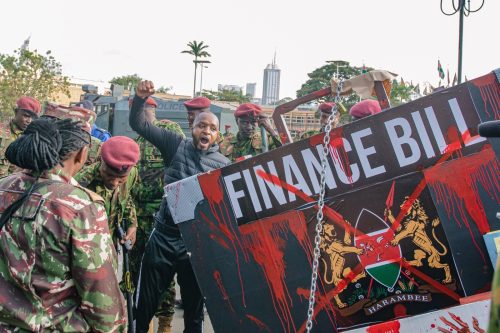
One of the clearest examples comes from Kenya, where coordinated advocacy by human rights groups, faith leaders and legal organisations helped stall a controversial Finance Bill 2024.
Activists mobilised public debate, challenged the proposal in courts and engaged lawmakers, demonstrating how organised pressure can slow or halt legislation seen as discriminatory.
The CIVICUS report highlights such efforts as evidence that, even when political environments are restrictive, institutions such as courts, media, and international networks can still provide leverage points for change.
Legal battles and accountability
Across the region, public interest litigation has become a critical tool. Civil society organisations are increasingly turning to courts to challenge unlawful detentions, election irregularities and abuse of power.
Human rights lawyers, often working under intense pressure, have secured rulings that reinforce constitutional protections and force governments to justify controversial actions.
In some cases, sustained advocacy has led to the release of detained activists and journalists, demonstrating that persistence can yield results even in politically charged cases.
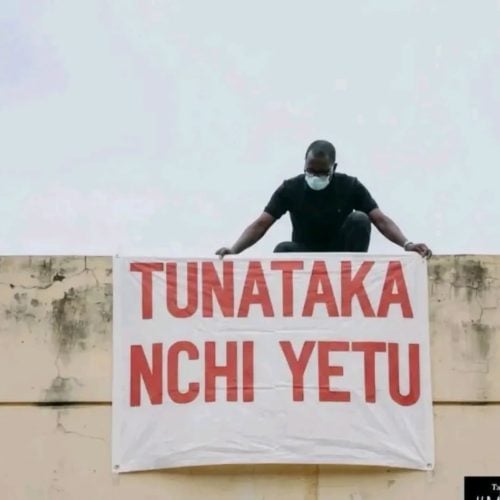
Environmental activism is another arena of quiet success. Local groups have challenged polluting projects, demanded compensation for displaced communities and pressured authorities to enforce environmental standards.
These campaigns connect local concerns, land, water and livelihoods with global debates on climate justice, amplifying their impact through international partnerships.
CIVICUS points to climate accountability victories as examples of how sustained citizen pressure can influence both corporate behaviour and public policy.
Digital watchdogs and new strategies
As governments expand surveillance and online controls, civil society has adapted by developing digital watchdog initiatives. Fact-checking organisations, open-source investigators and data activists are monitoring misinformation, tracking public spending and documenting human rights violations.
These tools allow small organisations to punch above their weight, reaching large audiences without traditional media infrastructure.
Grassroots organisers say technology has become both a threat and a lifeline,enabling mobilisation while exposing activists to new risks.
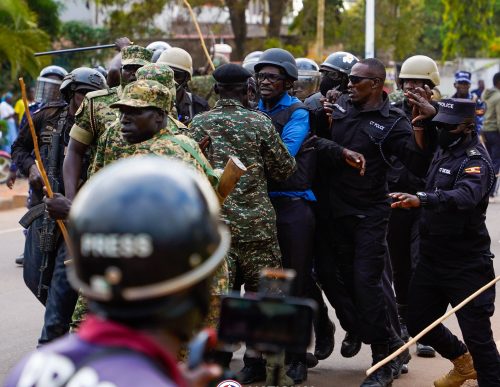
Even so, behind each victory lies personal sacrifice. Many activists face harassment, legal intimidation or financial strain. Some operate anonymously to protect themselves and their families.
Yet the report emphasises that these efforts collectively strengthen democratic resilience by keeping institutions accountable and preserving civic space.
“Civil society remains a crucial counterweight to concentrations of power,” the study reads, warning that without such pressure, abuses would likely intensify.
Unlike dramatic uprisings, these achievements unfold gradually: a harmful bill withdrawn, a court order enforced, a community protected, a detainee freed. Individually modest, together they represent a significant defence of rights across the region.
As East Africa confronts economic strain, political tensions and rapid social change, the CIVICUS findings suggest that the continent’s future will not be shaped solely by governments or elites.
It will also depend on the persistence of citizens willing to organise, advocate, and, when necessary, resist.