Advertisement
HELB boss explains what they consider before giving student loans
Tuesday 30th September, 2025 10:51 AM|

The Higher Education Loans Board (HELB) CEO Geoffrey Monari has moved to explain how the board determines the amounts students receive, with Monari saying the process is guided by fairness and a careful look into each applicant’s background.
Monari said that students are scored using what he called means testing instruments, a system designed to assess the real financial need of every applicant before loans are disbursed.
Also Watch: CS Ogamba orders extension of HELB deadline
“We give students funds based on the score they get. We are the ones who score them, using means testing instruments,” Monari said during a talk show aired by a local television station on Tuesday, September 30, 2025.
You Might Also Like

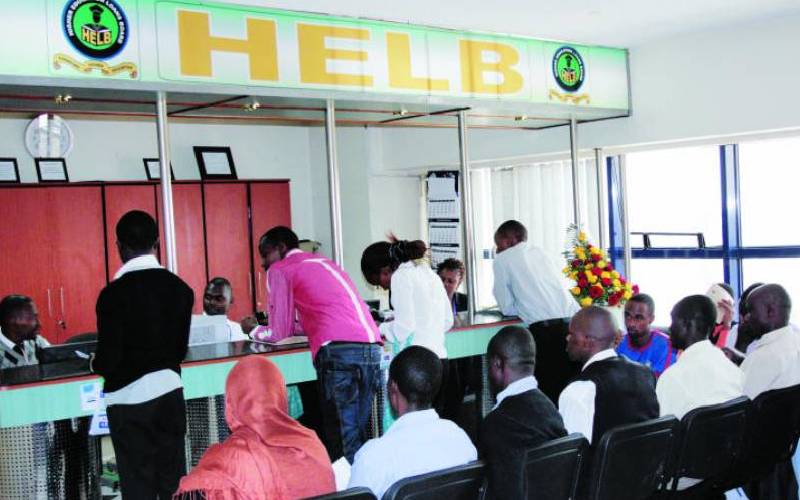
He explained that the scoring system digs deep into a student’s family and education history. Among the issues considered are household income, the type of school attended at both primary and secondary levels, and whether the student was sponsored.
“When giving scores, we look at the family income, the school you attended, in your primary and secondary were you sponsored? chronic diseases in the family, disabilities, are you an orphan? Are your parents employed, and where? That is what we look at,” Monari added.

The HELB boss further clarified how funds are managed once a student is admitted to the university. Institutions are required to submit lists of those who have reported, as well as those who may have deferred their studies.
“Universities are expected to submit a list of students joining and those dropping out. If the student had reported and left and funds dispersed, the money is recalled, and if they didn’t join, the money won’t be sent,” Monari said.
He admitted that sometimes funds may slip through the cracks when universities fail to update information in time. In such cases, HELB relies on audits to clean up the records.
“It does happen that when information has not been sent and the money sent, and we didn’t recall the money, that happens when Universities fail to confirm, but we have auditors who go to universities once a year to conduct audits,” he explained.
Monari insisted that the system, though strict, is aimed at ensuring fairness so that the most deserving students can get the support they need to pursue higher education.
Author
Latest News








Advertisement
More on News