Advertisement
Duale: Through SHA Kenya will sustainably raise about Ksh90B annually
Saturday 13th September, 2025 07:05 PM|

Health Cabinet Secretary Aden Duale has announced that Kenya will sustainably generate approximately Ksh90 billion annually through the Social Health Authority (SHA), without resorting to borrowing. This initiative aims to bolster the country’s Universal Health Coverage (UHC) goals by leveraging local resources.
In a post on X on Saturday, September 13, 2025, Duale highlighted the government’s commitment to enhancing healthcare accessibility for all Kenyans.
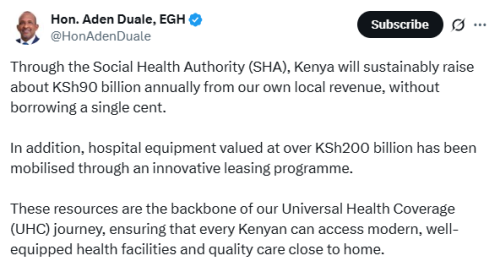
“Through the Social Health Authority (SHA), Kenya will sustainably raise about KSh90 billion annually from our own local revenue, without borrowing a single cent,” he stated.
Also Watch: Aden Duale: Ultimately, social justice in health care demands quality care
You Might Also Like
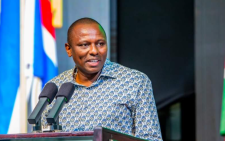
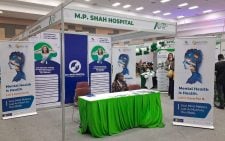
This approach underscores the government’s strategy to finance healthcare improvements through internal revenue streams, reducing dependency on external loans. Additionally, Duale noted that over Ksh200 billion worth of hospital equipment has been mobilised through an innovative leasing programme.
“In addition, hospital equipment valued at over KSh200 billion has been mobilised through an innovative leasing programme. These resources are the backbone of our Universal Health Coverage (UHC) journey, ensuring that every Kenyan can access modern, well-equipped health facilities and quality care close to home.”
Innovative medical equipment rollout
This initiative, known as the National Equipment Services Project (NESP), aims to equip hospitals across Kenya with modern diagnostic and treatment technologies, ensuring that healthcare facilities are well-equipped to serve the population.
The NESP operates on a fee-for-service model, where suppliers provide the necessary equipment, and the SHA reimburses them for each service provided. This model eliminates the need for national and county governments to purchase medical equipment upfront, thereby reducing financial burdens on public health facilities. President Ruto emphasised that private sector partners will bear the costs of installation, servicing, and maintenance, ensuring no financial strain on public health facilities.
Since the inception of the programme, Ruto said over 60,000 medical services have been delivered in 29 health facilities across 18 counties. The government plans to deploy additional equipment, including CT scanners, ultrasound machines, dialysis machines, and digital X-ray systems, to various hospitals in the counties.
Author
Kenneth Mwenda
Kenneth Mwenda is a business, sports, and politics digital writer with over seven years of experience in journalism, covering breaking news, feature stories, and in-depth analysis across a range of beats.
For inquiries, he can be reached at [email protected]
View all posts by Kenneth MwendaLatest News



Advertisement
More on News
