Advertisement
Drought-tolerant maize could slash aflatoxin cases, says KALRO
Tuesday 07th April, 2026 01:01 AM|

The Kenya Agricultural and Livestock Research Organisation (KALRO) now says drought-tolerant maize could slash aflatoxin cases in the country.
In a revealing interview with a local TV station, on April 6, 2026, James Karanja, Centre Director at the Kenya Agricultural and Livestock Research Organization (KALRO) Njoro, highlighted the challenges facing Kenyan maize farmers.
“We have been losing over 60% of our maize production,” he stated, pointing to drought, insect pests, and related issues that threaten food security in a country where maize is a staple crop.
Karanja explained that KALRO’s mandate as maize breeders is to develop technologies that mitigate these challenges so farmers can realise meaningful benefits.
You Might Also Like
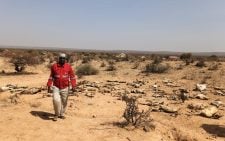
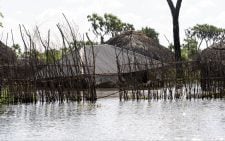

Drought has repeatedly hit production, especially in rain-fed systems, while pests such as stem borers and the invasive fall armyworm have intensified crop damage.
The result is maize becoming one of the most pesticide-intensive crops in Kenya. Farmers now spend heavily on sprays, facing high costs, health risks from exposure, and the need for constant field monitoring.

Innovation through drought-tolerant and BT maize
KALRO researchers first addressed drought through conventional breeding, releasing varieties tolerant to water stress and low nitrogen. While helpful, these varieties could not fully close the yield gap.
“We realised that even if you come up with these varieties, you will not be able to realize that percent,” Karanja noted.
The team then explored biotechnology, specifically BT maize, which incorporates protection against pests within the plant itself. Unlike sprayed chemicals, BT maize reduces the need for frequent pesticide applications and lowers health risks.
TELA maize and BT maize can recover more than 30% of losses from pests and improve grain quality by preventing insect damage, which also reduces the risk of aflatoxin contamination, a toxic mold linked to liver cancer and other health issues.
Farmer livelihoods and food security
Karanja expressed optimism about the impact of these innovations. “With the adoption of the BT maize, maybe the cases of aflatoxins will be a thing of the past. The cases of cancer might also be reduced because we will have a healthy environment, a healthy farmer, and consumption of safe food,” he said.
KALRO’s work on combining drought tolerance and insect resistance through the TELA project aims to provide climate-smart maize varieties suited to Kenya’s diverse agro-ecological zones. By reducing reliance on costly and hazardous pesticides, these technologies promise higher yields, better grain quality, lower production costs, and improved farmer livelihoods.
Author
Latest News








Advertisement
More on News