Advertisement
CS Machogu steps in to calm tension over increased university fees
Friday 24th February, 2023 05:00 AM|
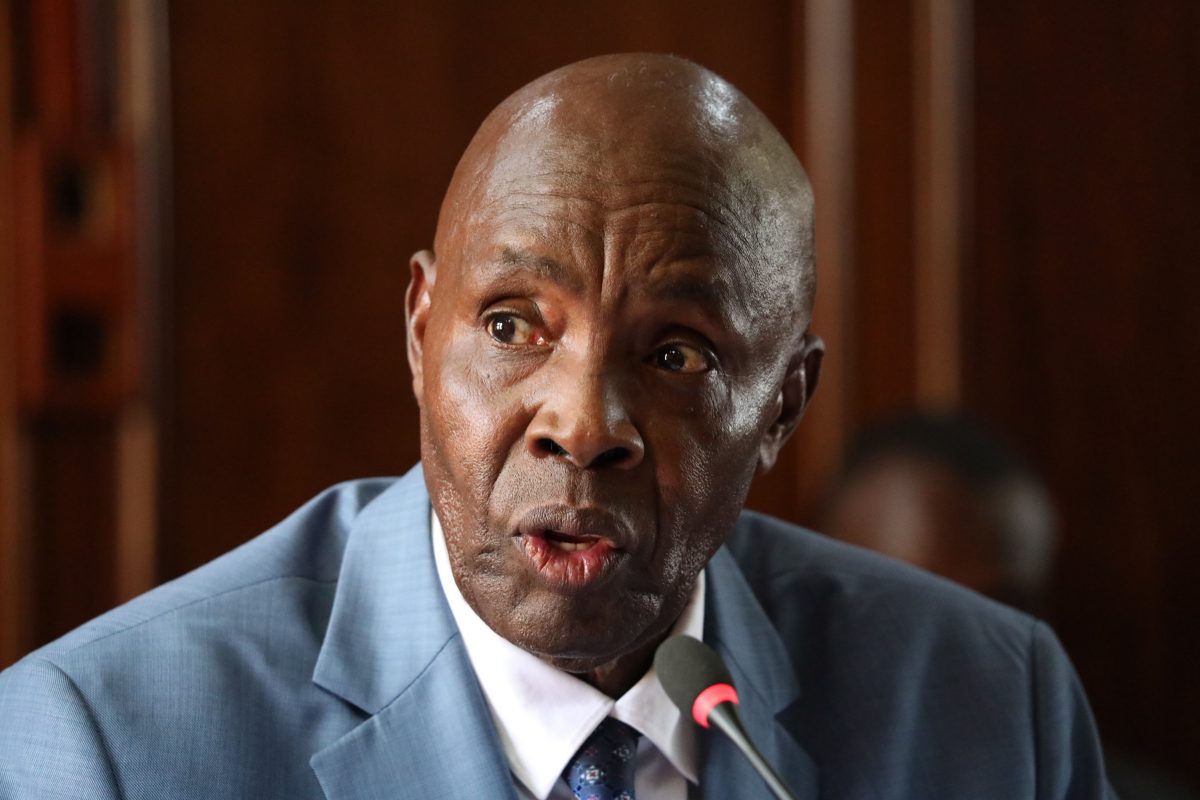
Education Cabinet Secretary Ezekiel Machogu yesterday moved in to calm the growing concerns about a proposed increment of university fees from current Sh16,000 to Sh52,000 per semester.
Speaking in Mombasa the CS asked players to stay calm noting that serious discussions are ongoing regarding various education reforms discourse being undertaken by the Presidential Working Group.
This is as it emerges that students in public universities across Kenya could pay more fees to access education if the recommendations by the presidential working party on education reforms are to be implemented.
“There are discussions going on, whatever anybody has some kind recommendations it cannot be taken as a policy as of now, because even as a ministry we are awaiting for the recommendations which are going to emerge and come out of the presidential working party because they have been given very clear mandate and terms of reference,” said Machogu.
The taskforce, which presented its report to President William Ruto last week has also proposed a raft of measures aimed at improving the quality of higher education in the country; including easing the financial burden on universities by writing off debts owed by universities to statutory bodies.
The second interim report, which focuses on higher education and the reforms needed to make it better and affordable, takes a deep dive into the financing of this sector. The working party proposes a threefold increase in the fees paid by government-sponsored students in Kenyan universities from current Sh16,000 to Sh52,000 per semester.
Education Cabinet Secretary Ezekiel Machogu yesterday moved in to calm the growing concerns about a proposed increment of university fees from current Sh16,000 to Sh52,000 per semester.
Speaking in Mombasa the CS asked players to stay calm noting that serious discussions are ongoing regarding various education reforms discourse being undertaken by the Presidential Working Group.
This is as it emerges that students in public universities across Kenya could pay more fees to access education if the recommendations by the presidential working party on education reforms are to be implemented.
“There are discussions going on, whatever anybody has some kind recommendations it cannot be taken as a policy as of now, because even as a ministry we are awaiting for the recommendations which are going to emerge and come out of the presidential working party because they have been given very clear mandate and terms of reference,” said Machogu.
The taskforce, which presented its report to President William Ruto last week has also proposed a raft of measures aimed at improving the quality of higher education in the country; including easing the financial burden on universities by writing off debts owed by universities to statutory bodies.
The second interim report, which focuses on higher education and the reforms needed to make it better and affordable, takes a deep dive into the financing of this sector. The working party proposes a threefold increase in the fees paid by government-sponsored students in Kenyan universities from current Sh16,000 to Sh52,000 per semester.
Machogu who admitted the financial challenges facing the higher learning institutions directed universities to explore innovative means to generate income and make them financially sustainable during this financially strained period.
Machogu advised the higher learning institutions to rationalize staff who they find are not adding real value as well as lease some of their dead properties as a remedy to the biting financial challenges.
“We are also asking universities to be innovative ways which they can also be able to generate income like commercializing research, also a number of them have so much properties which is death capital, they can also embrace public private partnerships and also rationalizing in a way that where they find that there are staff who are not adding real value they downsize.
Machogu who admitted the financial challenges facing the higher learning institutions directed universities to explore innovative means to generate income and make them financially sustainable during this financially strained period.
Machogu advised the higher learning institutions to rationalize staff who they find are not adding real value as well as lease some of their dead properties as a remedy to the biting financial challenges.
“We are also asking universities to be innovative ways which they can also be able to generate income like commercializing research, also a number of them have so much properties which is death capital, they can also embrace public private partnerships and also rationalizing in a way that where they find that there are staff who are not adding real value they downsize.
Author
Harrison.Kivisu
View all posts by Harrison.KivisuLatest News





Advertisement
More on News