Audit exposes costly govt’s failures in flood warning systems
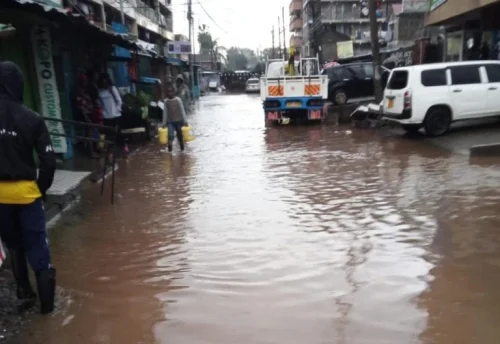
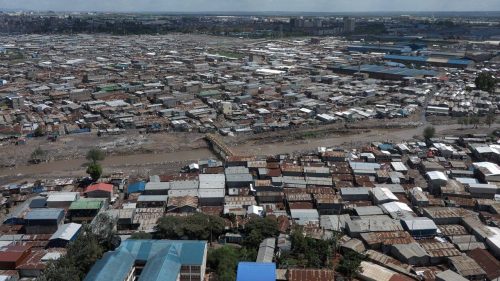
By Aloys Michael, March 9, 2026Heavy rains pounding several parts of the country, including Nairobi, have left a trail of destruction, deaths and displacement, once again exposing the country’s vulnerability to flooding.
Roads have been cut off, homes swept away, and families forced to seek shelter in safer areas as rivers burst their banks and drainage systems overflow.
But even as people grapple and struggle to recover from the latest deluges, an audit report has revealed that many of the losses could have been reduced if the government had acted earlier on key recommendations aimed at strengthening disaster preparedness and early warning systems.

A performance audit by Auditor-General Nancy Gathungu shows that the government’s response to flood-related humanitarian emergencies could have been significantly improved if authorities had implemented measures proposed to strengthen coordination and preparedness.
The report criticised the State Department for Arid and Semi-Arid Lands (ASALs) and Regional Development for glaring inefficiencies and operational gaps that have contributed to loss of lives and widespread destruction of property and infrastructure during floods.
“The State Department for Internal Security and National Administration should coordinate with the State Department for Arid and Semi-Arid Lands and Regional Development to ensure the national disaster risk management policy and law are enacted,” the audit recommended, in addition to the Auditor General’s magazine.
According to the report, such a framework would address institutional capacity challenges affecting flood response operations while also resolving coordination and mandate conflicts among agencies tasked with managing disasters.
The audit was conducted against the backdrop of increasing flood incidents in the country, which experts largely attribute to climate change. These disasters have continued to cause massive losses of life, livelihoods and property in many parts of the country.
Kenyans lingering in destitution
A 2019 World Bank report on Kenya’s Natural Disaster Risk Profile estimates that floods affect an average of 150,000 people every year.
Gathungu noted that recurring floods worsen poverty and food insecurity by contaminating water sources and compromising sanitation, often triggering humanitarian crises in affected communities.
“Floods not only disrupt the provision of healthcare but also erode the gains made in housing or shelter, manufacturing and agriculture. Despite the destruction, floods also present an opportunity for improvements in food security,” the audit says.
The report further notes that while floods are destructive, the excess water can also be harnessed to support irrigation if properly managed.

“Proper response to floods is therefore not only necessary for the achievement of the government’s development agenda but also critical to ending poverty in all its forms,” the audit states.
The audit examined government preparedness and response over a five-year period between July 2017 and June 2022. It focused on the State Department for Internal Security and National Administration and the Directorate of Special Programmes.
Six counties across four flood-prone catchment areas were sampled during the review: Baringo and Narok in the Rift Valley catchment, Busia in the Lake Victoria North catchment, Garissa and Tana River in the Tana catchment and Kisumu in the Lake Victoria catchment.
The findings showed that most government interventions after floods were largely limited to repairing damaged roads and bridges.
Govt’s laxity
The audit noted that such efforts often overlooked community livelihoods and key public facilities.
“Most interventions focused on repairing damaged roads and bridges, leaving out community livelihoods and critical infrastructure such as schools, hospitals and marketplaces,” the report states.
To improve the response to early flood warnings, the audit recommended that the State Department for ASALs and Regional Development finalise the national relief response policy and ensure the necessary legislation is enacted.
“This will resolve inefficiencies observed in the relief process by providing clear and legally binding guidance,” the audit states.
It also tasked the National Disaster Operations Centre (NDOC) with working closely with the Office of the Deputy President and the Council of Governors to clarify and gazette disaster risk management roles between national and county governments.
The move was meant to eliminate confusion over responsibilities in evacuation, relief distribution and recovery operations.
However, three years after the audit was released, the report has yet to trigger action in Parliament, and many of its recommendations remain unimplemented.
Ironically, before the heavy rains that hit Nairobi on March 6, 2026, the Kenya Meteorological Department had already issued warnings.
On March 3, the department cautioned that heavy rainfall was expected in Nairobi between March 3 and March 9, with peak intensity projected between March 4 and March 7.