How living with diabetes inspired our love for advocacy
By Julius Ongwae, July 14, 2025Mary Mboya was just 29 when she was diagnosed with type 2 diabetes in 2006 after months of unexplained illness.
She was thrust into a new reality; one that would require lifelong management, discipline, and resilience.
For nearly two decades, Mary, now 47, had to endure the pain, stigma and economic toll that came with the condition.
In the early years after her diagnosis, Mboya recalls, she had to adjust to a routine of daily medication, regular hospital visits-all while grappling with the physical toll of the disease.
According to her, fatigue began to set in more quickly, making it hard to work long hours like she used to. In time, her vision started deteriorating too, leading to frequent bouts of partial sight loss.
“It’s really costly to take drugs daily,” Mary, a resident of Rangwe, Homa Bay County, narrates. “I also experience frequent loss of sight, and I can’t work normally like I used to because I get tired very fast.”
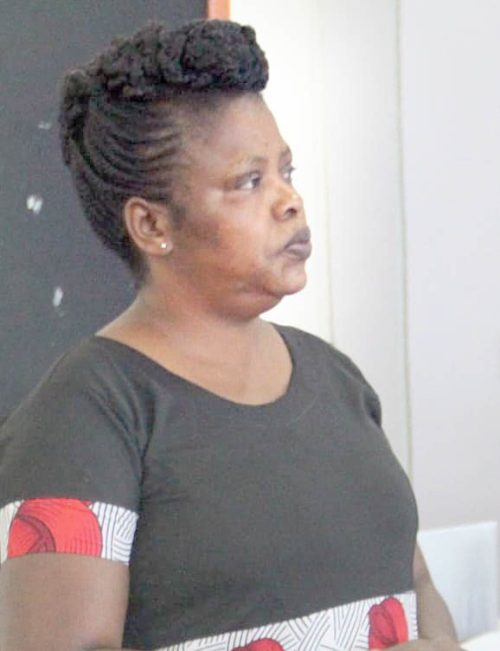
She says, maintaining stable blood sugar levels has come with its own set of challenges. Managing a diabetic-friendly lifestyle is not easy, especially when faced with financial limitations.
Mboya adds, eating a healthy, balanced diet is essential, but affordability often stands in the way. The emotional and psychological side of diabetes is equally draining, she notes, and can trigger dangerous blood sugar spikes.
“Managing stress is very hard, and stress can dangerously spike blood sugar levels. Even spooky or unexpected events can affect your health,” she adds, saying frequent illnesses are also a big challenge, which pins people down.
Challenging myths, misconceptions
Edward Ochieng, 45, was diagnosed with type 2 diabetes three years ago after frequent urination raised concern. He has been exploring his experiences as an advocacy tool for better care and awareness.
“Creating awareness doesn’t stop me from managing my condition. I take my drugs on time, and what’s most important is my meals,” says Ochieng, a resident of Rachuonyo West, Homa Bay County.

Beyond managing his health, Ochieng explains he is focused on challenging the myth that diabetes is a “disease for the rich.” He believes this misconception delays diagnosis and treatment in low-income communities.
As an advocate, he is pushing for policy change at the county level.
“What I want is a specific budget for non-communicable diseases. Counties should ensure there are enough diabetes drugs and testing machines in hospitals,” he continues, adding he only calls for equitable access to diabetes care for all.
Beavon Mugoshi, from Westlands Subcounty, Nairobi County, says he has lived with type 1 diabetes since 2016.
According to him, his journey began with persistent symptoms, constant thirst, fatigue, unexplained weight loss, and frequent urination, including during the night.
“Concerned by these changes, I visited a health facility where tests revealed alarmingly high blood sugar levels. That moment marked the start of my life with diabetes,” he recalls
Since then, Mugoshi says, he has adopted a disciplined approach to managing his condition. He regularly monitors his glucose levels, follows a consistent meal plan, takes insulin as prescribed, and remains physically active.
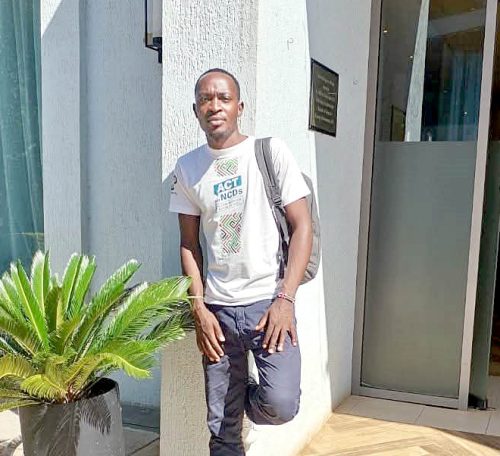
For Mugoshi, he has made lifestyle adjustments, including cutting down on sugary and processed foods, attending diabetes clinics, and staying informed through support groups and advocacy work.
Beyond personal care, he is now involved in diabetes advocacy. He serves in multiple leadership roles, helps shape national Non-Communicable Disease (NCD) policies, and runs a community clinic and pharmacy that supports over 1,000 people across Kenya.
According to Betty Okere, a diabetes educator and clinical dietitian, nutrition and lifestyle are central to diabetes management, often even before medication.
For patients living with type 1 diabetes, she notes, managing high blood sugar is a daily concern, especially for adolescents or young adults who may also struggle with insulin resistance due to weight gain.
Okere says when working with patients, she always advises them to respect cultural and religious food practices, preferences, and affordability.
“We don’t just recommend a diet, we look at what the patient can eat, what they can afford, and what they are used to,” she says.

Sustainable change, she explains, comes from small, realistic shifts, introducing new recipes gradually, offering affordable alternatives, and encouraging consistent monitoring of blood sugar levels to link dietary choices with physical outcomes.
She adds that many still believe myths, such as cutting out entire food groups. “Food isn’t the enemy, it’s how you use it that matters.”
Lack of essential supplies
Monicah Kiragu, a diabetes nurse educator, says many patients face serious challenges that affect how well they manage their condition. One of the most pressing issues is a lack of adequate knowledge about diabetes itself.
She adds, another major challenge lies in access, especially in rural areas where essential supplies like medication, glucose monitoring tools, and testing strips are limited.
For uninsured patients, the cost of care is a barrier, often forcing them to forgo crucial medication or routine checks.
Stigma, she notes, also remains an obstacle, particularly for individuals who have never received counselling or met with a comprehensive care team.
“Some patients carry fear and shame. Without proper support, they feel isolated and helpless,” she explains.
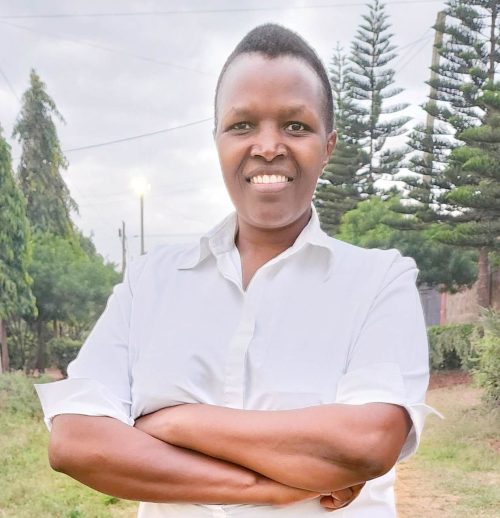
To address these issues, Kiragu says, she tailors diabetes education to each individual, taking into account their cultural background, religious beliefs, education level, and personal preferences.
“We always make sure the patient is at the centre of the plan. They must feel heard and be actively involved in setting goals,” she states.
Empowering patients
By empowering patients to interpret their own results, Kiragu says, she teaches them to understand how their meals, medication, and exercise affect blood sugar, and they begin to take ownership of their condition.
One of her most successful cases, she says, involved a middle-aged woman who was struggling with weight gain and poor blood sugar control. After four structured education sessions focusing on diet, exercise, medication, and glucose monitoring, the woman lost 10 kilograms over six months.
Her Haemoglobin A1c (HbA1c) dropped from 14.2% to 7%, and her medications were reduced from five to just one.
“She was thrilled,” she recalls, adding that her clinic visits became every four months instead of monthly, her self-esteem soared, and her cost of management dropped significantly.