From rooftops to backyards: How city dwellers are embracing urban farming
By Kiprono Keileb, October 7, 2025In Nairobi, Nakuru, Eldoret, and Mombasa, city dwellers are discovering a practical solution to rising food costs: urban farming. For many families, what started as a hobby on a small balcony or backyard has transformed into a life-changing story of food and income.
Take an example where a mother of four living in Nairobi, each week, she spends approximately Ksh2,000 just to buy fresh greens for her family: cabbage, sukuma wiki, and spinach. It is stressful. Did you know that if she tries a small rooftop garden can produce enough vegetables for her family and a little extra to sell to neighbours, saving her almost half her weekly grocery bill?
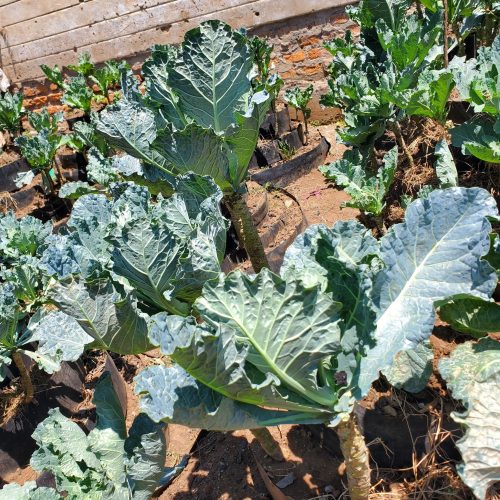
Many city residents have turned small containers, such as jerricans and plastic buckets, into mini vegetable gardens, growing tomatoes, peppers, and herbs right outside their doors. What began as a simple idea to save money has now become a creative way to put fresh food on the table. Some even sell the extra produce to neighbours, turning small spaces into a source of both food and income.
Also in these cities, there is a new trick of life; families with access to small plots of land in rural areas have started planting maize, beans, and other grains. They don’t currently rely on processed food. They transport part of the harvest to the city, reducing the need to buy expensive groceries while earning a modest income.
First Lady, Rachel’s Mama Kitchen Gardens
First Lady Rachel Ruto has also embraced the urban farming movement, reinforcing how city dwellers are transforming their lives through kitchen gardens. Her “Mama Kitchen Gardens” initiative encourages women and urban families in Nairobi, Nakuru, Eldoret, and Mombasa to grow vegetables, herbs, and nutritious food even in small backyards, rooftops, or containers.
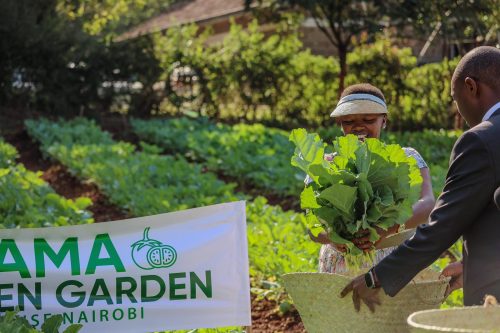
The programme extends to schools, creating demonstration gardens that support children’s meals under the Competence-Based Curriculum. By promoting homegrown food, Mama Rachel is helping families save on grocery bills, improve food security, and create income opportunities, proving that urban farming is not just a trend but a practical lifeline for city residents facing rising food costs.
Community groups and NGOs have played a critical role in training city residents. These organisations teach practical skills, from soil preparation to pest control, and show families how to maximise yields in small spaces. It’s not just about food; it’s about dignity, independence, and resilience.
Urban farming is also a timely response to larger challenges. Climate change, disrupted supply chains, and inflation have made fresh produce costlier and less reliable. Growing food in the city reduces dependency on distant suppliers, lowers prices, and improves nutrition.
Urban farming is more than just a garden; it is security in uncertain times. It’s a way to put food on the table, save money, and create income opportunities; even in the tightest city spaces. As Kenya’s cities continue to grow and food costs rise, urban farming is quietly reshaping how city dwellers feed themselves, showing that even small patches of green can have a huge impact.