Why Kenya’s ports are seeing a last-minute rush of 2018 cars
By Kenneth Mwenda, December 29, 2025Kenya’s used car market is entering its busiest and most tense period of the year as the deadline for importing 2018-registered vehicles draws closer. From January 1, 2026, any used vehicle first registered in 2018 or earlier will no longer be allowed into the country.
Only cars first registered on January 1, 2019, will qualify for importation.
This cut-off comes from Kenya’s eight-year age limit rule for used vehicles, set out under the Kenyan Standard KS 1515:2000. The rule limits the age of imported second-hand vehicles to eight years from the date of first registration. Enforcement is handled by the Kenya Bureau of Standards (KEBS), working with inspection agencies abroad.
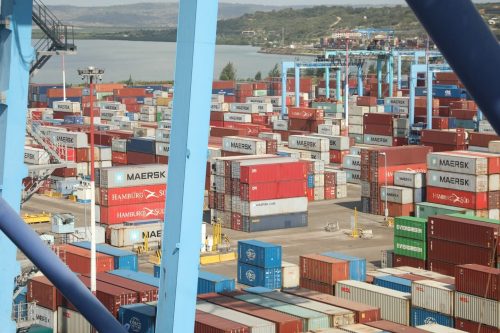
With just days left before December 31, 2025 the Port of Mombasa has become the focal point of a record-breaking rush.
Why the deadline matters
KEBS has made it clear that Certificates of Roadworthiness issued for vehicles first registered in 2018 will expire on December 31, 2025. Any such vehicle that arrives after that date will be considered non-compliant and rejected at the importer’s expense.
KEBS managing director Esther Ngari has warned that the rule will be applied strictly. Vehicles must arrive at the port of entry by December 31. Arrival after that date, even by a single day, means automatic rejection.
From January 1, 2026, only vehicles first registered in 2019 or later will qualify for import. The rule applies to all importers, including returning residents and diplomatic staff. Kenya also only allows right-hand drive vehicles to be imported.
A surge at the Port of Mombasa
Kenya Ports Authority (KPA) schedules show an unusually high number of car carrier vessels arriving in a short span. Eight car carriers were expected to dock within the last 10 to 14 days of the year, delivering more than 4,700 vehicles. This volume is roughly equal to what Kenya normally imports over an entire month.
“The port of Mombasa will, in the next 14 days, handle a total of 53 vessels, with 29 accounting for container ships. At the same time, the port will receive 15 conventional cargo vessels, eight car carriers and one oil tanker,” KPA stated on December 17, 2025.
Some vessels have already arrived, with others berthing on Christmas Day and through to December 29, 2025. There is also a chance of more ships arriving on December 30 or 31,2025, depending on sea conditions and port clearance.
The pressure on port operations is high, but importers are hoping speed and planning will help them beat the clock.

Kenya imports an average of 7,000 to 9,000 used vehicles each month. The highest percentage come from Japan, which remains the dominant source due to quality, pricing and right-hand drive availability. Other key sources include the United Arab Emirates, the United Kingdom, Thailand, Singapore and South Africa.
For countries where KEBS has appointed inspection agencies, exported vehicles must come with a valid Certificate of Roadworthiness. In Japan, inspections are carried out by Quality Inspection Services Inc. Japan (QISJ), which works under contract with KEBS.
A typical sea voyage from Japan to Mombasa takes about 25 to 28 days. However, this does not include pre-shipment inspections, loading delays, port congestion or post-shipment clearance, all of which add time.
Shipping disruptions still a risk
While importers have managed to beat the deadline in recent years, shipping has become less predictable. Attacks in the Red Sea over the past year forced many shipping lines to reroute vessels around the Cape of Good Hope in South Africa. This extended transit times from an average of 24 days to 40 days or more.
Despite the longer routes, most importers still landed their vehicles before the cut-off by booking shipments earlier, often in October or November. Industry players say early planning has become essential.
The Car Importers Association of Kenya has noted that global supply chain disruptions mean shipping schedules can change without notice, raising the risk for late shipments.
Kenya last saw major losses from the age limit rule in 2014, when more than 2,000 vehicles registered in 2006 were locked out of the country. Since then, large-scale rejections have been rare.

An exception came in 2020, when the Covid-19 pandemic disrupted global shipping. That year, the government allowed clearance of vehicles whose delays were clearly caused by the pandemic.
Authorities have not signalled any similar exemptions this time.
As the 2018 window closes, attention will shift to 2019 models, which face their own deadline on December 31, 2026. The cycle repeats every year, shaping buying patterns, shipping schedules and prices in Kenya’s used car market.
Used vehicles continue to dominate the market. According to the Economic Survey 2025, Kenya imported 72,482 vehicles last year, up from 70,275 in 2023.