Why IEBC conducts boundary delimitation and how it affects voters
By Aloys Michael, January 28, 2026Boundary delimitation is one of those quiet constitutional processes that rarely makes daily headlines, yet it sits at the heart of Kenya’s democracy.
When the Independent Electoral and Boundaries Commission (IEBC) speaks about reviewing constituency and ward boundaries, it is not merely adjusting lines on a map. It is engaging in a process that shapes how power, representation, and resources are shared across the country.
At its core, boundary delimitation exists to protect the democratic principle of one person, one vote, one value. Over time, populations grow, towns expand, and people migrate in search of opportunity.
These changes can leave some constituencies heavily populated while others remain relatively small. When that imbalance persists, a vote cast in a densely populated area may carry less weight than one cast elsewhere.

The responsibility for conducting boundary delimitation is vested in the IEBC under Articles 88(4)(c) and 89 of the Constitution.
Delimitation seeks to correct this, ensuring that representation keeps pace with Kenya’s changing social and geographic realities.
In Kenya, this process is not optional. The Constitution assigns the responsibility squarely to the IEBC, mandating it to periodically review the names, numbers and boundaries of constituencies and wards.
The goal is fairness, guided by clear criteria such as population equality, community interests, geographic features and accessibility. By placing this task in the hands of an independent commission, the Constitution aims to shield boundary reviews from political pressure, recognising that any change to electoral boundaries can have far-reaching political consequences.
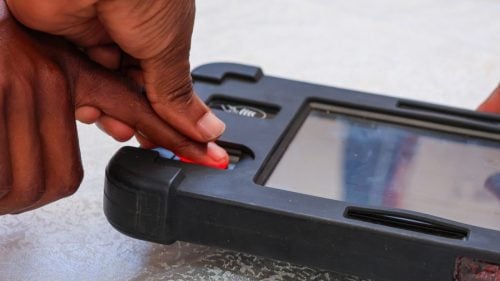
Effects on the electorates
For voters, boundary delimitation has direct and practical effects. It determines which constituency or ward one belongs to, who represents them in Parliament or county assemblies, and how responsive leaders can realistically be to local needs. Well-balanced constituencies make it easier for elected leaders to engage with voters and for citizens to hold those leaders accountable. Poorly balanced ones can weaken representation and fuel perceptions of inequality.
Kenya’s most recent boundary review was completed in 2012, setting a constitutional expectation that the next review would be finalised by March 2024. That deadline, however, was missed.
A combination of legal and institutional challenges slowed the process. For a significant period, the IEBC operated without commissioners, and boundary delimitation is considered a substantive constitutional function that cannot be carried out by the secretariat alone. Proceeding without a fully constituted commission would have exposed the process to legal risk.
Phased boundary review
Further uncertainty arose from court cases challenging the validity of census data in parts of northern Kenya. Census figures are essential to delimitation because they inform how population quotas are calculated. Without legally settled national data, any boundary review would have faced immediate challenges, potentially undermining its legitimacy.
Faced with these constraints, the IEBC sought guidance from the Supreme Court. In its advisory opinion, the Court acknowledged the importance of equal representation but also recognised the practical realities confronting the Commission.
It cautioned against rushing a process that could disrupt electoral preparations or compromise credibility. The Court affirmed that while timelines matter, so too do stability, independence and the integrity of elections.
Guided by this advice, the IEBC opted for a phased approach. This means that while no constituency or ward boundaries will change before the August 2027 General Election, the Commission will undertake preparatory work in the background.
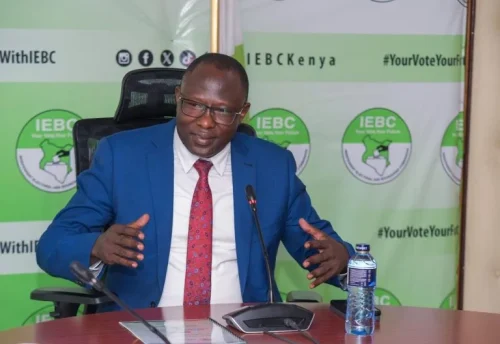
This includes data analysis, internal capacity building, stakeholder engagement and planning for public participation. The substantive review is expected to take place after the 2027 polls, once legal and operational conditions allow.
For voters, the immediate impact is predictability. Existing boundaries will remain in place for the next election, giving candidates, parties and citizens clarity as they prepare. In the longer term, the phased approach signals that boundary disparities will not be ignored indefinitely. Instead, they will be addressed in a structured and legally sound manner.
Importantly, the Constitution fixes the number of constituencies at 290. While that number cannot change without a constitutional amendment, IEBC can reconfigure boundaries, rename units or merge areas where population imbalances exist, as long as constitutional criteria are respected.
Public participation will be central to this process, giving citizens a voice in decisions that directly affect their political representation.
Ultimately, boundary delimitation is about trust in the democratic system. By striving to ensure that every vote carries similar weight, the process reinforces confidence in elections, strengthens accountability and supports equitable governance. Though complex and costly, it remains a necessary investment in the country’s representative democracy.