Stuck in traffic: How transport disruptions affect Kenyan lives
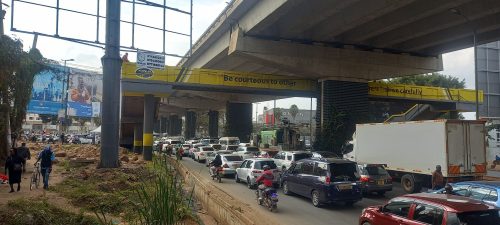
By Faith Lagat, October 12, 2025For many Kenyans, commuting is no longer just a matter of moving from point A to point B; it has become a daily battle against time, stress, and unpredictability. Morning and evening hours are marked by long queues, slow-moving vehicles, and frustrated commuters trying to get to work, school, or essential appointments.
The experience is familiar across cities and towns alike: a commute that should take 30 minutes stretches to hours, leaving people exhausted before they even start their day.
While memes and social media complaints capture the humour in the chaos, the reality behind the jokes is far more serious.
Traffic congestion is more than a mere inconvenience; it impacts the very rhythm of daily life. Students risk missing crucial classes, employees lose productive hours, and parents struggle to manage family commitments.
The daily grind on our roads is a stark reminder that the transport system is under immense pressure, struggling to keep pace with the growing population and urbanisation.
Economic and social costs
Transport disruptions go beyond personal inconvenience; they carry significant economic and social consequences. Hours lost in traffic translate to lost productivity, delayed meetings, and diminished business efficiency.
Workers who rely on public or private transport often pay more in fares due to longer routes or detours, straining already tight household budgets. For those balancing multiple jobs or responsibilities, every additional hour spent on the road is an hour lost to opportunity and income.
Socially, the impacts are equally troubling. Families are separated by commute delays, appointments are missed, and the stress of navigating congested roads contributes to mental and physical fatigue.
The unpredictability of travel times forces people to leave home excessively early or arrive home late, disrupting routines and affecting quality of life. Emergencies, from medical needs to urgent errands, are particularly affected; a blocked road or sudden strike can have serious consequences when time is critical.
Rethinking urban transport solutions
President William Ruto has, however, acknowledged that addressing Nairobi’s traffic challenges requires more than short-term fixes. In outlining his administration’s plan, he emphasised the construction of at least 70 kilometres of roads across the city in the first phase, aiming not only to decongest streets but also to facilitate trade and spur economic growth. This approach signals a broader vision of transforming the city’s infrastructure to improve mobility, support businesses, and enhance the daily lives of residents.
“We have rolled out a comprehensive plan that will change the face of Nairobi. In the first phase, we are constructing at least 70 kilometres of roads within the city to facilitate trade, ease traffic, and spur growth,” he said previously.
The recurring transport challenges highlight the urgent need for strategic, long-term solutions. Roads alone cannot solve the problem if urban planning and public transport systems are neglected. Efficient, reliable, and accessible public transport would ease the pressure on individual drivers while reducing congestion.
Investment in infrastructure, including road expansions and alternative routes, is essential, but equally important is planning that anticipates future growth and urban density.
Citizens, too, have a role to play through responsible commuting practices, carpooling, and supporting alternative transport modes such as cycling or walking for short distances. However, systemic change cannot happen without policy interventions that prioritise efficiency, safety, and reliability.
Traffic disruptions are not merely an individual inconvenience; they are a societal challenge that demands coordinated action from policymakers, planners, and citizens alike.
Being stuck in traffic is no longer a minor annoyance; it has become a defining aspect of urban life, shaping how Kenyans live, work, and plan their days. The economic losses, social strains, and daily frustrations are a clear call to action. Sustainable solutions, strategic planning, and investment in robust public transport systems are long overdue.
Kenyans deserve more than congestion; they deserve mobility, predictability, and the freedom to move efficiently across their cities. Until then, the daily struggle on our roads will continue to shape lives in ways that go far beyond mere delay.