Ruto’s capital punishment plan for drug dealers: Game-changer or risky move?
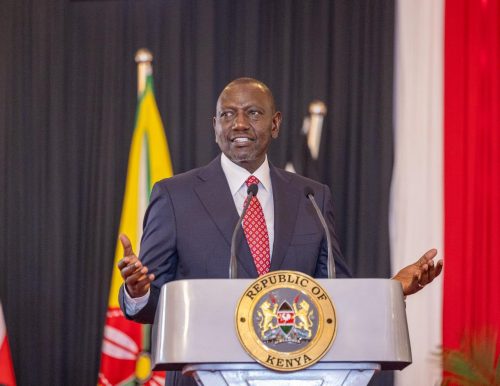
By Faith Lagat, January 4, 2026President William Ruto’s recent proposal to introduce capital punishment for dealers of hard drugs like heroin and cocaine has sparked intense debate in Kenya.
Announced during a pre-wedding ceremony in Moiben Constituency on January 3, 2025, the plan aims to overhaul narcotics laws, signalling a tough stance against substance abuse that has ravaged communities.
But will this measure prove to be a game-changer in curbing drug trafficking, or is it a risky move fraught with challenges? Analysing its potential impact reveals a complex picture: while it could serve as a strong deterrent and protect vulnerable youth, evidence from global studies questions its effectiveness, and implementation hurdles, including human rights concerns and judicial capacity, make it a tough policy to enact successfully.
Proponents argue that capital punishment could transform Kenya’s fight against drugs by instilling fear among traffickers.
Ruto emphasised that current laws are too lenient, allowing offenders to pay fines as low as Ksh1 million and resume operations, which he claims has led to the loss of countless young lives. By classifying the sale of substances like heroin and cocaine as capital offences, the government seeks to dismantle networks that prey on children and families.
This aligns with Ruto’s broader agenda to restore order, including asset seizures for illicit alcohol traders and regulations on gambling, which he described as unchecked threats destroying homes.
Global comparisons and lessons
Supporters point to countries like Singapore and Indonesia, where the death penalty for drug trafficking is enforced, crediting it with low drug use rates. Singapore’s strict laws have been linked to one of the world’s lowest prevalence of illicit drug consumption, suggesting a possible deterrent effect in high-enforcement environments.
In Kenya, where youth drug abuse has surged, with surveys indicating over 4% of the population aged 15-65 using narcotics, such a policy might rally public support from parents and communities bearing the brunt of addiction. Ruto’s call for parliamentary action underscores political will, potentially leading to swift legislative changes if backed by lawmakers facing similar constituency pressures.
Yet, critics contend that the proposal is a risky escalation that may not yield the desired results and could exacerbate systemic issues. Global research consistently shows no conclusive evidence that the death penalty deters drug crimes more effectively than life imprisonment or other severe penalties.
Balancing deterrence, justice, and implementation
In Kenya, where the death penalty has not been carried out since 1987 due to a de facto moratorium, reviving it could face legal and ethical barriers. Human rights groups argue it violates international norms, potentially straining relations with partners like the European Union.
Implementation also poses risks: Kenya’s judiciary is overburdened, with backlogs that could lead to miscarriages of justice, especially for low-level couriers rather than kingpins. The plan’s broader scope, including illicit brews and gambling, adds complexity, as asset seizures and stricter regulation could disrupt livelihoods in informal sectors and affect legitimate businesses.
Public reaction has been mixed, with some applauding the tough stance as necessary leadership, while others question its feasibility amid corruption in law enforcement.
If enacted, it could mark a pivotal shift in Kenya’s drug policy; however, without evidence-based reforms, it risks becoming symbolic. Ultimately, whether this becomes a game-changer depends on holistic enforcement, combining punishment with prevention, or if it devolves into a contentious, ineffective measure.